
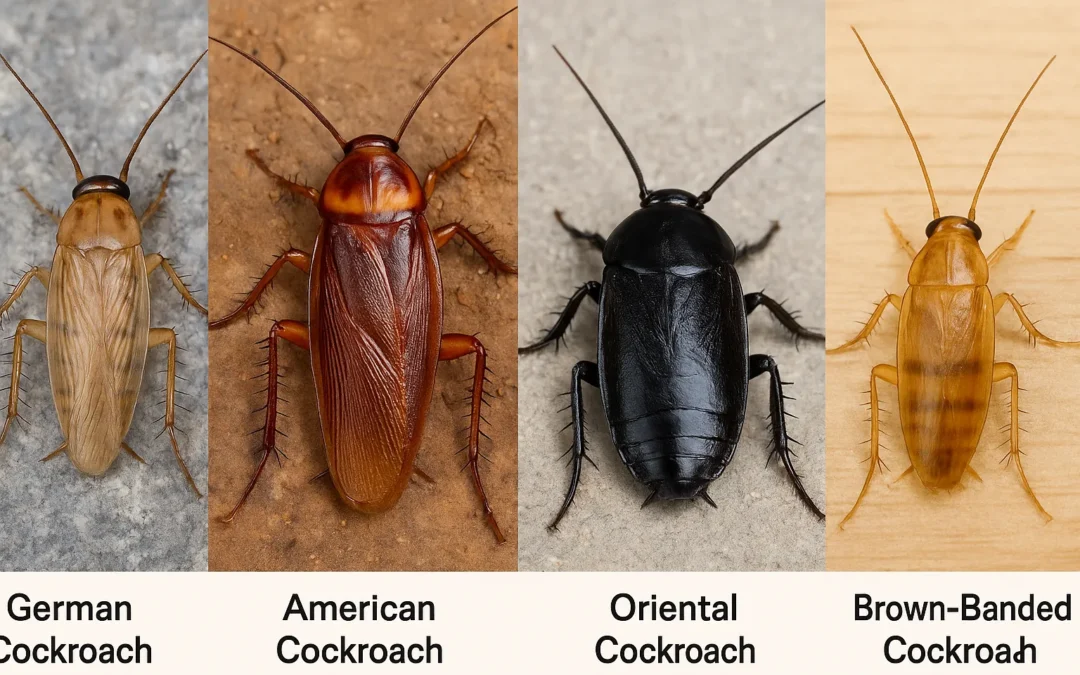
Does Bleach Kill Roaches? The Truth + 5 Better Alternatives
Need expert help with a roach problem? Contact Clarity Pest Control today.
Does Bleach Really Work for Roach Control?
It is 2 AM. You flip on the kitchen light and spot a cockroach racing across the counter. Like many homeowners, you reach for the strongest cleaner under the sink. But does bleach actually kill roaches, or does it just feel like the most aggressive option in the moment?
Bleach can kill roaches under very specific conditions, but it is far from an effective or safe solution. In this guide, we explain exactly how bleach affects cockroaches, why it fails as a control method, and what actually works instead. You will also learn five proven alternatives, from effective DIY options to professional pest control solutions that eliminate roaches at the source.
Does Bleach Kill Roaches? The Short Answer
Yes, bleach can kill roaches. That answer comes with a critical limitation. Bleach only works if it comes into direct contact with the roach and in enough volume to fully soak it. Even then, it is not instant and it does nothing to address the broader infestation.
Many people reach for bleach because it is already in the house and known as a powerful disinfectant. It smells strong, it cleans aggressively, and it feels like it should solve the problem. Unfortunately, roach control does not work that way. Bleach does not spread through a colony, does not linger after it dries, and cannot reach the places where roaches actually live.
In practical terms, bleach may kill a roach you see in front of you, but it will not stop more from coming out tomorrow night. That is why pest control professionals do not use bleach as a treatment method. To understand why it falls short, it helps to look at how bleach actually affects a roach’s body.
How Bleach Kills Roaches (The Science Behind It)
Household bleach is typically a solution of sodium hypochlorite diluted in water. It is a highly caustic chemical designed to break down organic material, which is why it works so well for disinfecting surfaces and whitening stains.
When bleach makes direct contact with a cockroach, it damages the insect’s outer exoskeleton. This outer shell helps protect the roach from dehydration and physical harm. Bleach corrodes that layer and can burn through soft tissue, particularly around the legs, spiracles, and underside of the body.
Bleach also affects the roach’s respiratory system. Roaches breathe through small openings along their bodies rather than through lungs. When liquid bleach enters these openings, it interferes with their ability to regulate oxygen. In many cases, the roach essentially suffocates or drowns in the solution.
This process is not instantaneous. Even with direct contact, death can take several minutes. During that time, the roach will actively try to escape, which makes thorough exposure difficult. From a pest control perspective, this method is impractical. You would need to see every roach, spray it directly, and hope it does not escape before enough bleach makes contact.
Does Bleach Kill Roaches on Contact?
Bleach can kill roaches on contact, but only under very specific conditions. The roach must be directly sprayed and sufficiently soaked. A light mist or partial spray is usually not enough.
Even when sprayed directly, bleach does not kill roaches instantly. It often takes several minutes for the chemical damage and respiratory disruption to become fatal. During that time, the roach will move quickly, hide, or escape into a crack or wall void where bleach cannot reach.
This is one of the biggest limitations of using bleach. You cannot safely spray it throughout your home, inside walls, or into tight crevices where roaches nest. If you miss the roach, or if it escapes after partial exposure, the bleach has no effect at all.
Because of this, bleach functions more like a last resort contact spray than a control strategy. It might kill a single visible roach, but it does nothing to reduce the population that remains hidden.
Pouring Bleach Down Drains: Does It Work?
Pouring bleach down drains is a common suggestion for dealing with roaches, especially when people believe the insects are coming from plumbing. In reality, this method does not work and can create additional problems.
Roaches do not live in your drains. They use drains as pathways, moving through wall voids and pipe chases to access water and food sources. The actual nesting areas are typically behind walls, under cabinets, near appliances, and around plumbing penetrations.
When you pour bleach down a drain, it may kill a few roaches that happen to be present at that exact moment. It does not reach the surrounding voids where roaches hide and breed. Once the bleach is flushed away, the drain is just as accessible as before.
There are also practical concerns. Repeatedly pouring bleach into plumbing can damage pipes, especially older systems. It can disrupt septic systems and contribute to environmental harm when it enters wastewater systems. The fumes can also be hazardous in enclosed spaces. According to the National Institutes of Health, bleach exposure can release harmful fumes that irritate the respiratory system and eyes, especially in enclosed spaces.
At best, this approach offers a temporary solution with extremely limited effect. At worst, it creates safety and maintenance issues without solving the underlying infestation.

Why Bleach ISN’T the Best Solution for Roaches
Bleach Only Works Through Direct Contact
Roaches are nocturnal and highly skilled at staying hidden. Most of the population lives inside walls, behind appliances, under sinks, and inside tiny cracks you cannot see or access. Bleach cannot be applied to these areas safely or effectively.
Using bleach would require you to spot and spray every individual roach. That is unrealistic, especially since seeing one roach usually means there are many more nearby.
It Doesn’t Kill Roach Eggs
Roaches reproduce through egg cases called oothecae. These cases are tough, well-protected, and often hidden in cracks and crevices. Bleach cannot penetrate the casing or reach most egg locations.
Even if you kill a few adult roaches with bleach, the eggs will continue to hatch. Within weeks, the population rebounds, often larger than before.
Safety Hazards for Your Family and Pets
Bleach produces toxic fumes that can irritate the lungs, eyes, and skin. Inhaling these fumes is especially risky for children, pets, and anyone with asthma or respiratory conditions.
Mixing bleach with other household cleaners, particularly ammonia, creates dangerous gases that can cause serious injury. Bleach is also corrosive and can damage countertops, flooring, fabrics, and metal fixtures.
Residue left behind on surfaces can pose ongoing risks for pets and young children who touch or ingest contaminated areas. The Centers for Disease Control and Prevention has documented health risks associated with bleach exposure, including respiratory distress and skin burns.
For these reasons alone, bleach should never be used as a pest control product.
It Won’t Solve an Infestation
Bleach has no residual effect. Once it dries, it does nothing. It does not repel roaches, does not spread through a colony, and does not address why roaches are in your home in the first place.
Effective roach control requires eliminating food and water sources, reaching nesting areas, and using treatments that continue working after application. Bleach accomplishes none of these goals.
5 Better Ways to Kill Roaches Than Bleach
1. Boric Acid (Most Effective DIY Method)
Boric acid is one of the most reliable DIY options to kill cockroaches when used correctly. Unlike bleach, it works slowly and strategically. When roaches walk through boric acid powder, it sticks to their bodies. As they groom themselves, they ingest it.
Boric acid damages the roach’s digestive system and dehydrates it from the inside. More importantly, affected roaches carry the powder back to their nesting areas, exposing others in the colony. This allows boric acid to reduce the overall population, not just individual roaches.
It can be applied as a light dust in cracks, behind appliances, under sinks, and along baseboards. It is inexpensive and available at most hardware stores. While it has low toxicity to humans, it should still be kept out of reach of children and pets.
2. Diatomaceous Earth
Food-grade diatomaceous earth is another effective alternative. It works mechanically rather than chemically. The powder is made of microscopic fossilized algae that damage the roach’s exoskeleton when they crawl over it.
This damage causes the roach to lose moisture and eventually die from dehydration. Diatomaceous earth is non-toxic and safe for use in homes when applied correctly. Like boric acid, it should be used in thin layers in areas where roaches travel.
It provides long-lasting protection as long as it remains dry and undisturbed.
3. Baking Soda and Sugar Mixture
For a simple home remedy to kill roaches, a mixture of baking soda and sugar can be effective. The sugar attracts roaches, while the baking soda reacts with acids in their digestive system, producing gas they cannot expel.
Mix equal parts baking soda and sugar and place small amounts in shallow containers near roach activity. This method is inexpensive and safer for homes with pets, though it is generally less powerful than boric acid or commercial baits.
4. Commercial Roach Baits
Commercial roach baits, including gel baits and bait stations, are designed to target entire colonies. They use slow-acting insecticides that allow roaches to return to their nests before dying.
As other roaches feed on contaminated individuals or feces, the poison spreads through the colony. This makes baits far more effective than contact sprays or bleach. When placed correctly, they can significantly reduce infestations over time.
5. Professional Pest Control Services
When roach problems persist or worsen, professional pest control is often the most effective solution. Professionals use targeted treatments that reach wall voids, nesting areas, and hidden harborages that DIY methods cannot access.
Clarity Pest Control uses advanced techniques and eco-friendly treatments to eliminate roach infestations at the source. Treatment plans are customized based on the type of roach, the severity of the infestation, and the layout of the home. This approach delivers faster results and long-term protection.
Comparison: Bleach vs. Effective Roach Control Methods
Bleach stands out as one of the weakest options when compared side by side with proven methods. It only works through direct contact, poses safety risks, and offers no long-term results.
Boric acid, diatomaceous earth, baking soda mixtures, and commercial baits all provide ongoing control by targeting roaches where they live and reproduce. Professional pest control offers the highest level of effectiveness, safety, and lasting protection, especially for moderate to severe infestations.
When the goal is to actually kill roaches and prevent them from returning, bleach simply does not measure up.
What Attracts Roaches to Your Home?
Roaches are drawn to three things: food, water, and shelter. Even a small amount of crumbs, grease, or pet food can sustain an infestation. Leaky pipes, condensation, and standing water provide the moisture roaches need to survive. According to research from Texas A&M AgriLife Extension, moisture and poor sanitation are among the most common contributors to indoor roach infestations.
Clutter, cardboard boxes, and dark enclosed spaces give roaches places to hide and breed. Cracks, gaps around pipes, vents, and doors allow them to enter from outside or move between units in multi-family buildings.
Preventing roaches means addressing these attractants. Store food in sealed containers, clean up spills promptly, take out trash regularly, and fix plumbing leaks. Sealing entry points and reducing clutter limits hiding spots.
Professional pest control services like Clarity Pest Control conduct thorough inspections to identify exactly what is attracting roaches to your home and address those conditions alongside treatment.
Why Choose Clarity Pest Control for Roach Problems
While DIY methods can help with minor issues, serious roach infestations require professional expertise. Clarity Pest Control provides comprehensive roach control solutions designed for long-term success, especially when roaches are affecting the health and safety of your home.
Technicians perform detailed inspections to locate nesting areas, entry points, and contributing conditions. Treatments are customized to target specific species, including german roaches and the american cockroach. Safe, eco-friendly products are used to protect your family and pets while delivering effective results. This approach matters because, according to the Environmental Protection Agency, cockroach allergens are a common indoor trigger for asthma and other respiratory issues, particularly in children and sensitive individuals.
Unlike bleach or other temporary fixes, Clarity Pest Control focuses on eliminating entire colonies and preventing future infestations. By addressing both the infestation and the conditions that allow roaches to thrive, the team delivers results that last. Clarity Pest Control proudly serves Mesquite, TX and surrounding areas and offers free pest inspections with honest, no-obligation recommendations.
Don’t let roaches take over your home. Contact Clarity Pest Control today.
Frequently Asked Questions About Bleach and Roaches
Have more roach questions? Contact Clarity Pest Control.
Will bleach keep roaches away?
No. Bleach has no repellent properties and no residual effect once it dries. While bleach can kill roaches on direct contact, it does nothing to prevent new roaches from entering your home. Roaches are attracted to food, water, warmth, and shelter, not discouraged by bleach odor. In fact, the smell fades quickly and provides zero ongoing protection. For prevention, it is far more effective to focus on sanitation, sealing entry points, fixing moisture issues, and using proven treatments like boric acid or professional pest control services. Bleach is a cleaner, not a roach deterrent.
What kills roaches instantly?
Very few methods kill roaches truly instantly. Crushing a roach works immediately but only removes one insect at a time. Contact insecticide sprays labeled for roaches can kill within seconds to minutes, but only if sprayed directly. Bleach can kill roaches on contact, but it usually takes several minutes and requires thoroughly soaking the roach. The limitation with all instant-kill methods is that they only address visible roaches. They do not reach nests, eggs, or hidden populations. Effective roach control combines immediate knockdown with long-term solutions that eliminate the colony.
Can roaches survive bleach?
Roaches cannot survive being thoroughly soaked in bleach, but they can easily survive partial exposure. If a roach is lightly sprayed or escapes before sufficient contact, it will likely live. Roaches are highly resilient and can hold their breath for extended periods, so bleach fumes alone will not kill them. Roach eggs are completely protected inside their egg cases and are unaffected by bleach. This means new roaches will continue to hatch even if some adults are killed. This resilience is a major reason bleach fails as a practical roach control method.
Does pouring bleach down the drain get rid of roaches?
No. Pouring bleach down drains does not get rid of roaches long-term. Roaches do not live in drains; they use them as pathways to access water and move between wall voids. Bleach poured into a drain may kill a few roaches present at that moment, but it does not reach nesting areas behind walls or under cabinets. Once the bleach is flushed away, the drain is just as accessible as before. Regularly pouring bleach down drains can also damage plumbing and create harmful fumes without addressing the actual infestation.
What smells do roaches hate?
Roaches tend to avoid certain strong scents, including peppermint, eucalyptus, lavender, citrus, and tea tree oil. Bay leaves and cucumber slices are also commonly cited as mild deterrents. While these smells may discourage roaches from specific areas temporarily, they will not eliminate an infestation or kill roaches. Hungry roaches will ignore unpleasant smells if food and water are available. Scent-based deterrents can be used as a minor supplemental tactic, but they should always be paired with proven control methods like sanitation, sealing entry points, and targeted treatments.
When should I call a professional for roach control?
You should call a professional if you see roaches during the day, find egg cases or droppings, notice activity in multiple rooms, or if DIY methods have not worked after two to three weeks. These signs usually indicate a larger roach infestation hidden inside walls and cabinets. German roaches, in particular, reproduce rapidly and are extremely difficult to eliminate without professional treatment. Professional pest control addresses the infestation at its source, eliminates entire colonies, and helps prevent future problems.
When to Call a Professional for Roach Control
You should consider professional pest control if roaches keep appearing despite your efforts. Daytime sightings often indicate a large infestation. German roaches, in particular, reproduce rapidly and are extremely difficult to eliminate without professional treatment.
If you are seeing more roaches instead of fewer, or if health concerns like allergies and contamination are a worry, professional service offers faster and more reliable results. Clarity Pest Control provides free inspections, customized treatment plans, and eco-friendly solutions designed to protect your home long term.
Get Your Free Quote Today!
Bleach can kill roaches on direct contact, but it is one of the least effective and most dangerous ways to deal with a roach problem. Proven DIY methods like boric acid and diatomaceous earth offer better results, while professional pest control provides the most reliable solution for infestations. If you want roaches gone for good, skip the bleach and choose a method that actually works.
Ready to eliminate your roach problem for good? Contact Clarity Pest Control today for a free inspection.