How Much Does Pest Control Cost in Mesquite, TX? (2026 Guide)
Quick Pricing Breakdown for Mesquite Homes
In Mesquite’s humid North Texas climate, pests can go from occasional sightings to recurring problems quickly. Whether you have roaches in the kitchen, ant trails near the foundation, or noises in the attic, the practical question is usually the same: what should pest control cost in Mesquite?
For most homes, one-time general pest control costs about $100 to $300. Monthly plans often range from $40 to $70 per month, while quarterly pest control in Mesquite commonly falls between $110 and $250 per visit. Specialty services such as termite treatment, rodent exclusion, mosquito control, or heavy roach service cost more because they require different products, follow-up, or inspection time.
These ranges are starting points. Pest type, infestation severity, home size, access points, and follow-up needs all affect the final quote.
This 2026 updated guide breaks down typical Mesquite pest control prices, what changes the cost, when ongoing service makes sense, and how to compare quotes with more confidence.
| Service Type | Typical Mesquite Price Range | Best For |
|---|---|---|
| One-time general pest treatment | $100–$300 | Light or isolated pest problems |
| Monthly pest control | $40–$70/month | Persistent pest pressure |
| Quarterly pest control | $110–$250/visit | Preventive protection |
| Initial inspection | $75–$150, sometimes free | Identifying pest type and severity |
| Roach treatment | $150–$350+ | Kitchens, bathrooms, and recurring infestations |
| Rodent control | $150–$600+ | Trapping, exclusion, and attic activity |
| Mosquito control | $50–$200/visit | Seasonal outdoor protection |
| Termite control | $500–$2,500+ | Active termites or preventive systems |

Realistic Pest Control Costs in Mesquite by Service Type
The clearest way to understand pest control pricing in Mesquite, TX is to separate general pest service from pest-specific work. A routine perimeter treatment for ants, spiders, and occasional invaders usually costs less than termite treatment, rodent exclusion, or a heavy roach infestation.
A one-time general pest visit often costs $100 to $300 and may include inspection, pest identification, targeted treatment, and basic prevention advice. Smaller homes with light activity tend to stay closer to the lower end. Larger homes, interior treatment, or heavier activity can push the cost higher.
Ongoing plans are priced around prevention. Monthly service may cost $40 to $70 per month, while quarterly service often ranges from $110 to $250 per visit. Quarterly service works well for many single-family homes, especially when paired with moisture control, sanitation, and basic exclusion. Monthly or bi-monthly service may make sense for recurring roaches, heavy ant pressure, standing water, dense landscaping, or previous infestations.
Square footage can help with rough budgeting. A 1,500-square-foot home may fall around $150 to $250 for a general treatment, while larger properties may cost more. A broad estimate of $0.10 to $0.20 per square foot can be useful, but inspection matters more than size alone. A small home with German cockroaches can require more work than a larger home with light exterior ant activity.
Specialty services vary more. Termite control may range from several hundred dollars to several thousand. Rodent control often lands around $150 to $600 or more when exclusion repairs or repeated visits are needed. Mosquito treatments are usually lower per visit, often $50 to $200, but may need repeat service through warm months.
Because Texas structural pest control is regulated, homeowners should confirm licensing through the Texas Department of Agriculture’s Structural Pest Control Service. A fair price should reflect safe application, training, documentation, and proper product use.
Why Pest Control Costs Are Worth It in Mesquite
DIY sprays and traps can look cheaper, but pests are rarely a simple surface problem. Roaches hide in appliances, wall voids, and cracks. Ant colonies spread through soil and landscaping. Rodents can enter through small gaps. Termites may stay hidden until damage is already expensive.
Mesquite’s heat, humidity, irrigated lawns, shaded foundations, and seasonal storms keep many pests active for much of the year. A one-time treatment can help with a light, contained issue, but recurring pests usually need prevention rather than another quick spray.
The U.S. Environmental Protection Agency promotes Integrated Pest Management because effective pest control involves identifying the pest, reducing attractants, using targeted treatments, and monitoring results. That approach may cost more than a store-bought product upfront, but it helps prevent repeated spending on treatments that never reach the source.
There is also a health and property concern. Cockroaches, rodents, mosquitoes, and termites can create sanitation issues, discomfort, structural damage, and repair costs. The value of pest control is not just killing visible pests. It is reducing the chance that a small problem becomes a larger one.
How Pest Control Pricing Works Step by Step
Pest control pricing usually follows a clear process. The cost depends on what the technician finds, how much treatment is required, and whether follow-up is needed.
1. Inspection and Identification
Most pricing starts with an inspection, which may cost $75 to $150, though some companies offer free inspections or apply the fee toward treatment. The technician identifies the pest, checks hiding areas, looks for entry points, and evaluates severity.
This matters because pests require different strategies. A few ants near a window are not the same as a spreading colony. One outdoor roach is different from German cockroaches breeding near a kitchen. In Mesquite homes, foundation gaps, plumbing moisture, landscaping, garages, and attic openings can all affect the scope.
2. Custom Treatment Plan
After the inspection, the company should explain what needs treatment and why. The plan may include interior service, exterior perimeter treatment, baiting, dusting voids, exclusion advice, sanitation steps, or follow-up visits.
Pricing changes when the infestation is heavier than expected. A minor issue may need one visit. A larger infestation may require product rotation, repeated applications, or deeper crack-and-crevice work.
3. Treatment Application
Treatment costs include labour, travel, product, equipment, safety preparation, and correct application. The EPA’s pest control safety guidance emphasizes following pesticide labels and protecting children, pets, food surfaces, and living areas.
A one-time treatment focuses on the immediate issue. Ongoing service combines treatment with prevention, monitoring, and seasonal adjustment.
4. Follow-Up and Monitoring
Roaches, rodents, termites, fleas, and other pests may need follow-up because eggs, access points, hiding behaviour, or population size can affect results. A good plan should explain what to expect after treatment and when another visit is needed.
Quarterly service helps catch activity before it becomes obvious indoors and allows the technician to adjust for seasonal pest trends.
5. Maintenance and Prevention
Long-term pest control also depends on reducing the conditions pests use. That may mean sealing gaps, fixing moisture, trimming vegetation, storing food properly, removing clutter, or reducing standing water.
Skipping prep can increase costs because pests may remain comfortable even after treatment. Good pest control works best when professional service and homeowner prevention support each other.
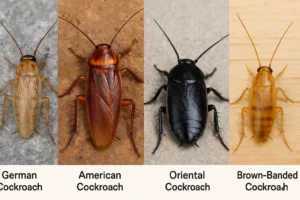
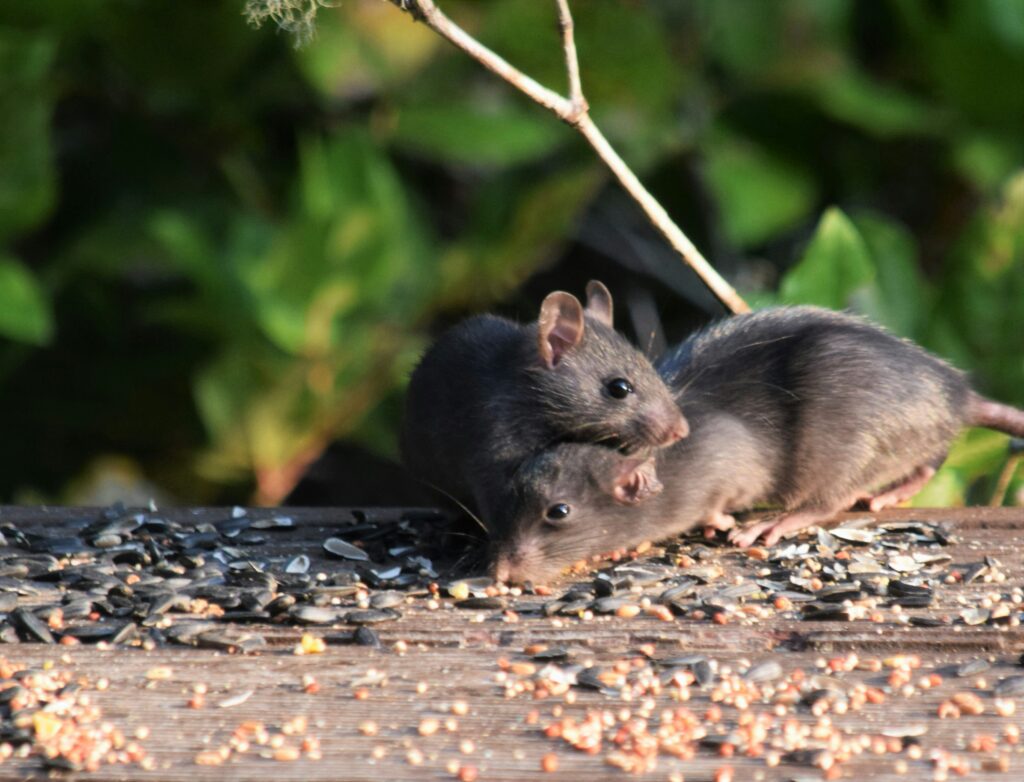
Knowing which pests are active is half the battle.
Key Factors Driving Mesquite Pest Costs, Plus Practical Ways to Save
Most quotes reflect a mix of pest type, property conditions, treatment difficulty, and prevention needs. Knowing those factors helps you compare prices more fairly.
Pest Type Makes a Major Difference
General ants, spiders, and occasional invaders usually cost less than roaches, termites, rodents, bed bugs, or larger mosquito programs. Roach extermination cost can rise with German cockroaches because they reproduce quickly, hide well, and often require baiting, sanitation changes, and repeat service.
Scorpion treatment can also vary by season, especially when activity increases around garages, thresholds, cracks, and landscaping. Termite control is priced differently because it may involve soil treatment, bait stations, monitoring, or structural evaluation.
Home Size and Infestation Severity Matter
Larger homes often cost more to inspect and treat, but severity can matter even more. A large home with light exterior ants may be simple. A small home with roaches in appliances, wall voids, and bathrooms can require more time and follow-up.
Signs of a more serious issue include daytime pest activity, recurring problems after DIY treatment, droppings, gnaw marks, shed skins, odours, nests, damage, or pests in multiple rooms. For Texas-specific pest biology and management information, Texas A&M AgriLife Extension is a useful homeowner-facing resource.
Frequency Changes the Long-Term Cost
Quarterly pest control often provides better long-term value than repeated one-time treatments. Instead of paying $150 to $250 whenever pests become noticeable, a quarterly plan focuses on prevention across the year.
Monthly service may be worth it for high-risk homes with heavy pest pressure, recurring roaches, food storage, dense vegetation, or rodent history. For many standard homes, quarterly service is the practical middle ground.
DIY Treatments Can Cost More When They Delay the Right Fix
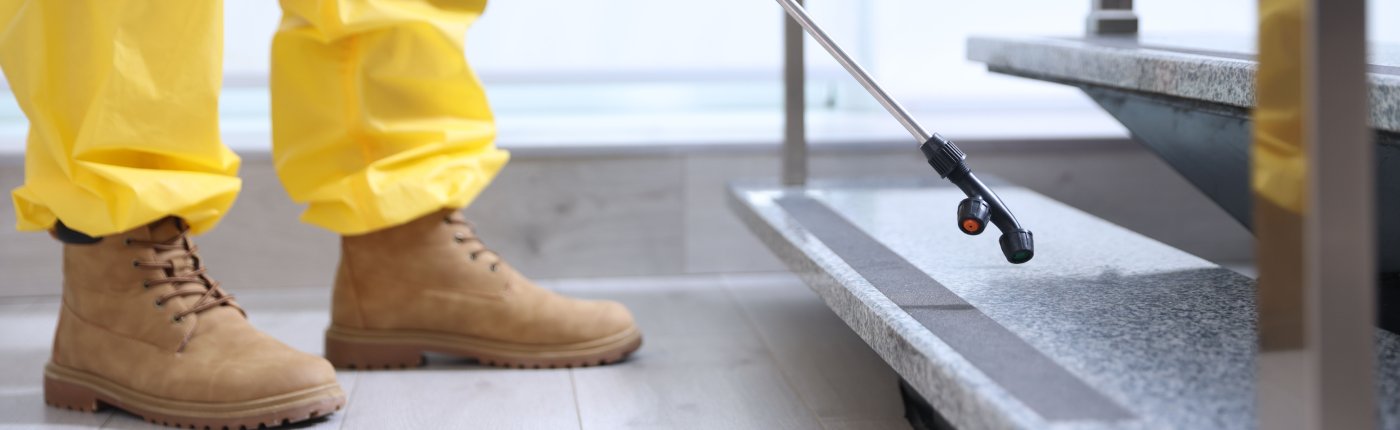
DIY products can help with very light activity, but they often fail when the source is hidden. The EPA advises careful label use, safe application, and non-chemical prevention steps. Misused products can create safety issues, scatter pests, or interfere with professional treatment.
Roaches are a common example. Repellent sprays may kill visible insects but push others deeper into hiding or interfere with bait. Rodent traps may catch a few mice, but new rodents can enter if gaps remain open.
Preparation Can Lower Costs and Improve Results
Before service, clear access to baseboards, under sinks, garages, attics, and problem areas when requested. Store food properly, remove excess cardboard, fix leaks, trim vegetation away from the foundation, and reduce standing water.
These steps may not guarantee a lower quote, but they can reduce treatment complexity and help prevent callbacks.
What Professional Pest Control Includes and Why It Pays Off
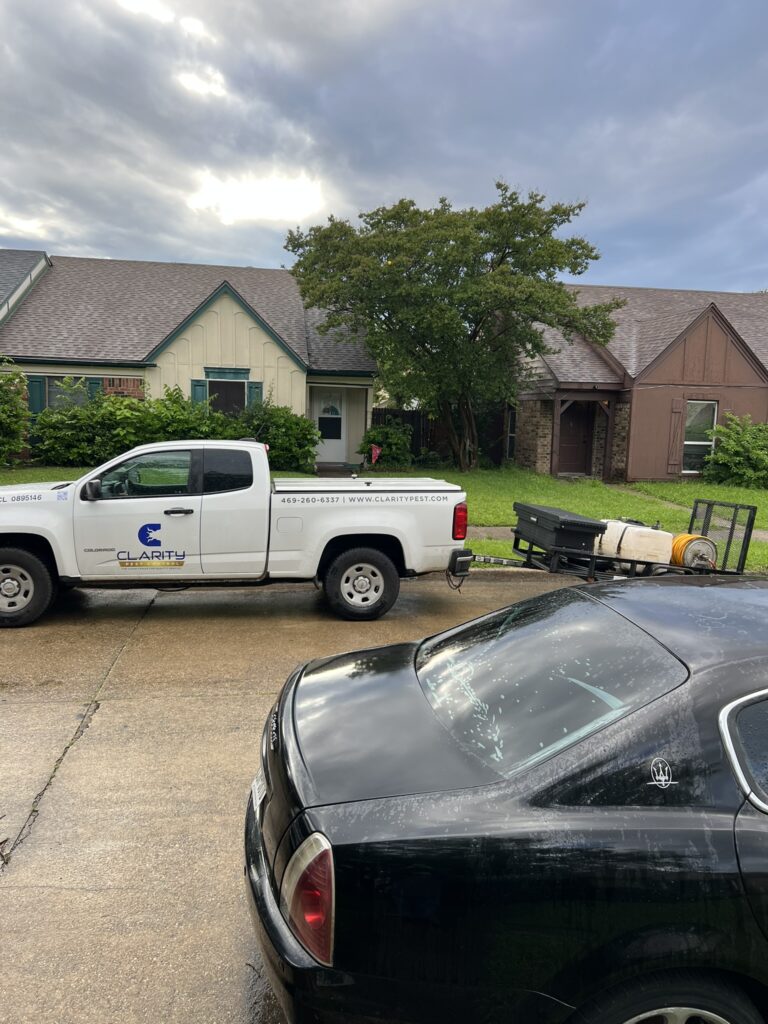
A professional pest control visit should include more than a quick spray. The value comes from inspection, pest identification, targeted treatment, prevention guidance, and accountability. A good technician should explain what was found, what was treated, and what to expect afterward.
In Texas, structural pest control is regulated, and licensed applicators must follow state requirements for pesticide use and service standards. The Texas Structural Pest Control Board overview explains the regulatory framework behind structural pest control oversight. That matters because proper treatment requires knowing where to apply products, where not to apply them, and how to protect people and pets.
Professional service also brings a fuller view of the property. A technician may notice plumbing moisture contributing to roaches, garage gaps allowing rodents, shrubs touching siding, or ant trails moving from landscape beds into wall cracks.
For many Mesquite homeowners, the payoff is consistency. Instead of reacting every time pests appear, an ongoing plan creates a rhythm of inspection, prevention, and adjustment.
Mesquite-Specific Pricing Factors and Best Timing
Pest control in Mesquite is shaped by North Texas weather. Heat, humidity, spring rain, irrigated lawns, and mild winter stretches can keep pests active for much of the year. Prevention is usually more effective than waiting until pests are already inside.
Spring often increases ant, termite, mosquito, and occasional invader activity. Roaches may show up after rain or when outdoor conditions drive them toward moisture and shelter. Summer can intensify mosquito pressure around shaded yards, drains, standing water, and dense landscaping. Cooler months can bring more rodent activity in garages, attics, and wall gaps.
Soil and landscaping matter too. Clay-heavy soil, mulch beds, irrigation, vegetation near the home, greenbelts, drainage areas, and water features can increase pest pressure.
For many homes, quarterly pest control is a practical baseline. Heavier activity, recurring roaches, mosquito pressure, or rodent history may require more frequent service during peak seasons.
Next Steps for Affordable Mesquite Pest Control
A reasonable annual pest control budget for a Mesquite home may range from about $400 to $1,200 for preventive general pest protection, depending on service frequency, property size, and pest pressure. Termite treatment, rodent exclusion, and heavy infestations should be budgeted separately.
The best next step is to get a quote based on your actual home. An inspection can show whether you need a one-time treatment, quarterly service, or targeted help for roaches, rodents, termites, mosquitoes, or another pest.
For affordable Mesquite pest control, look for a company that explains the inspection findings, gives clear pricing, discusses safety, and recommends a realistic prevention plan. Clarity Pest Control can provide Mesquite-tailored options based on your pest issue, property, and budget.
Ready for a free, no-obligation quote? Contact Clarity to schedule an inspection and find the right plan for your home.
Frequently Asked Questions About Pest Control Cost in Mesquite, TX
One-time pest control in Mesquite typically costs $100 to $300 for general pests. Price depends on pest type, home size, treatment area, and severity. A light exterior ant issue may cost less, while roaches, heavier activity, or larger homes can cost more.
The biggest factors are pest type, property size, infestation severity, treatment method, follow-up needs, and service frequency. Mesquite’s heat, humidity, rainfall, landscaping, and soil conditions can also increase pest pressure around foundations, garages, kitchens, bathrooms, and yards.
Quarterly pest control is often the better long-term value for many Mesquite homes because it focuses on prevention before pests become expensive. Monthly service may be worthwhile for heavy pressure, recurring roaches, food-related risks, or rodent history.
Many companies offer free inspections for certain services or apply inspection fees toward treatment. Clarity Pest Control can assess the pest issue, identify entry points or nesting areas, and recommend a plan based on the actual conditions at your Mesquite home.
Termite control in Mesquite often starts around $500 and can rise to $2,500 or more. Cost depends on home size, treatment type, soil conditions, severity, and whether monitoring or follow-up is included.
Clarity uses targeted pest control methods designed with household safety in mind. Safe treatment depends on proper product selection, correct application, label compliance, and clear homeowner instructions before and after service. The Texas Department of Insurance also offers practical safety guidance for pest control around the home.
Quarterly service can begin anytime, but early spring is ideal for reducing warm-weather pest pressure. Fall is also useful for rodent prevention and exterior sealing. In North Texas, year-round prevention usually works better than waiting for pests to appear.