Mosquito Control in Dallas: How to Take Back Your Backyard This Summer
Why Dallas Backyards Get Hit So Hard in Summer
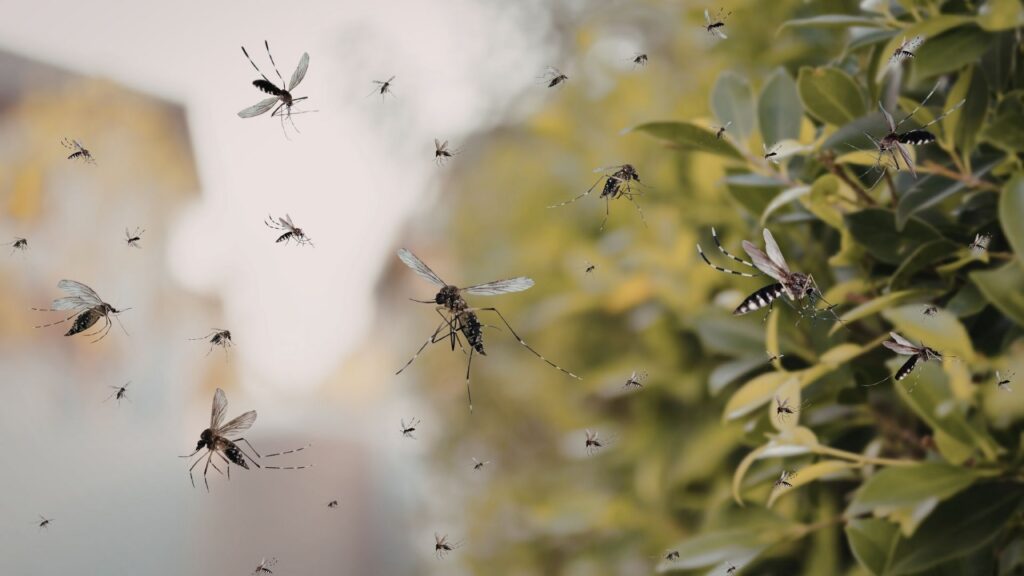
Dallas summers create ideal mosquito conditions: heat, humidity, standing water, and shaded outdoor spaces. When mosquitoes show up the moment you step outside, the issue is usually more than just a few bugs. It is often a yard that keeps producing them.
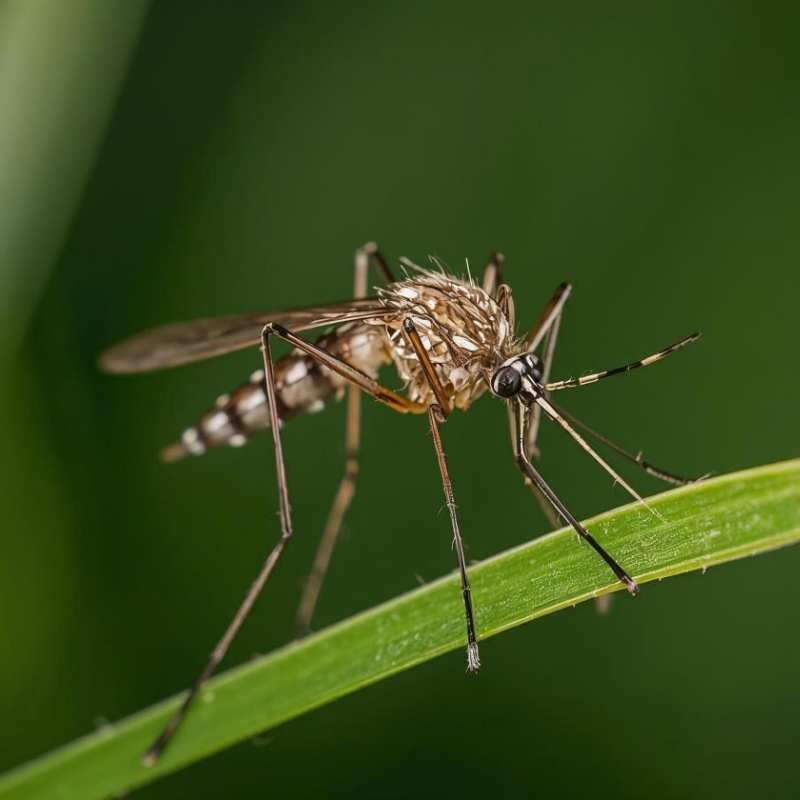
The best mosquito control in Dallas starts with reducing breeding areas first. Even clean-looking yards can hold water in plant saucers, clogged gutters, pool covers, birdbaths, or low spots in the lawn. That is why mosquitoes often return quickly after sprays or citronella candles wear off.
Local guidance from Dallas County Health and Human Services recommends draining standing water, using repellent, and taking precautions around dusk and dawn. In this guide, we’ll cover practical ways Dallas homeowners can reduce mosquitoes and make outdoor spaces more comfortable through the summer.
The Fastest Way to Reduce Mosquitoes Around Your Home
If your yard is already uncomfortable, start with the actions that make the biggest difference fastest.
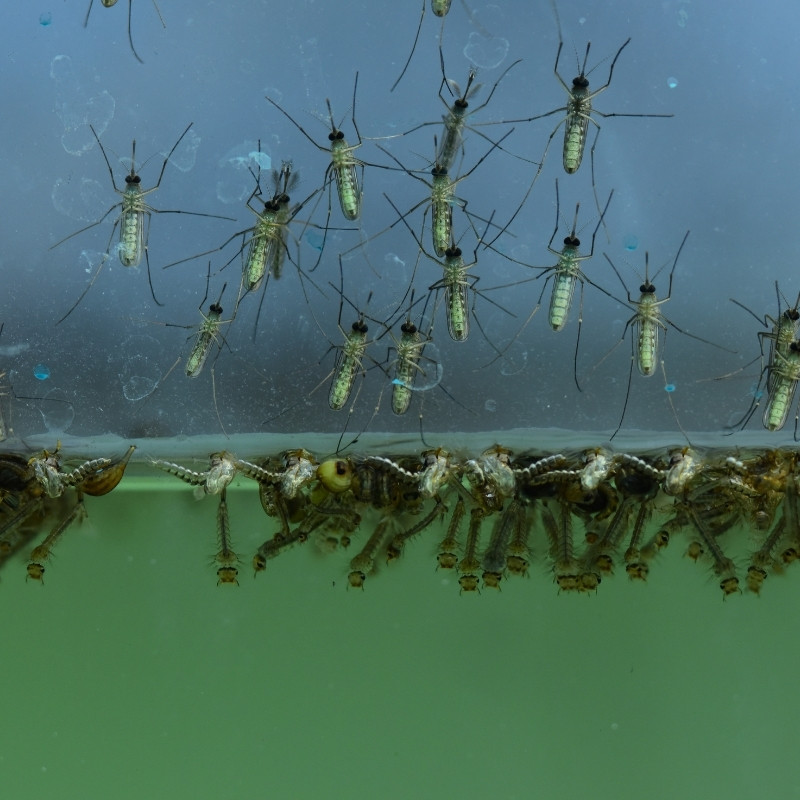
Remove standing water first. Mosquitoes need water to reproduce, and they do not need much of it. Empty anything that collects water after rain or sprinkler use, including buckets, saucers, children’s toys, wheelbarrows, watering cans, tarps, and outdoor storage bins.
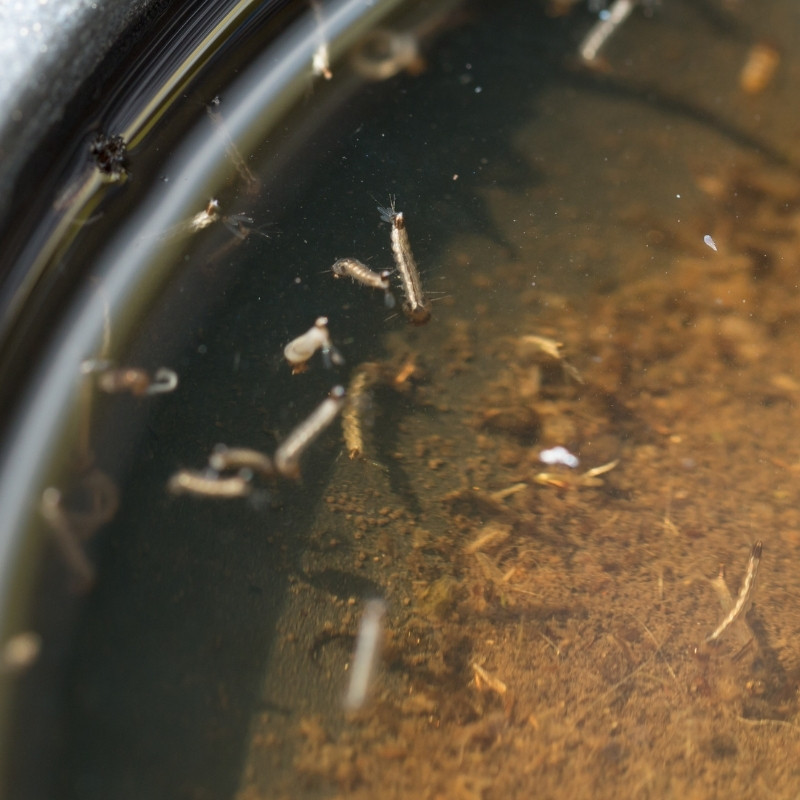
Treat water that cannot be drained. Some water sources, such as drainage areas, decorative features, or hard-to-dry low spots, may need a different approach. The CDC’s mosquito control guidance explains that controlling larvae is an important part of reducing mosquito populations before they become biting adults.
Protect people during peak activity. Many mosquitoes are most active around dusk and dawn, which is exactly when people want to sit outside after work or let kids play before bedtime. EPA-registered repellents, long sleeves when practical, and fans around seating areas can all help reduce bites. The EPA’s repellent guidance is a useful reference when choosing and using products safely.
Keep doors and screens tight. Mosquito control does not stop at the yard. Torn screens, gaps around doors, and open patio doors can turn an outdoor problem into an indoor annoyance.
Think in layers. Repellent protects people. Fans make sitting areas less inviting. Barrier treatments can reduce adult mosquito activity. Source reduction helps stop the yard from producing more mosquitoes. The best results usually come from combining these steps instead of relying on one quick fix.
Your Backyard Mosquito Checklist for Dallas Homes
The easiest way to start is to walk your yard after rain or irrigation and look for places where water sits. Do not only check the obvious spots. Mosquito problems often come from small, overlooked areas that refill again and again.
Empty or refresh standing water
Dump out water from buckets, trays, toys, watering cans, tarps, furniture covers, and anything else that holds rainwater. Birdbaths and pet bowls should be emptied and refreshed regularly.
This is one of the simplest mosquito prevention steps, but it is also one of the most commonly missed. A yard does not need a pond to have a mosquito problem. A few small containers in shaded areas can be enough.
Check plant saucers, pots, and garden areas
Potted plants are easy to overlook because they feel like part of the landscaping. Check saucers, decorative pots, raised beds, and garden containers after watering. If water collects underneath, mosquitoes may use it.
Dense plantings can also create shaded, humid resting areas for adult mosquitoes. Trimming overgrowth and improving airflow will not solve everything, but it can make the yard less inviting.
Clean gutters and downspouts
Clogged gutters are one of the most practical backyard mosquito problems because they are easy to forget until they cause trouble. Leaves, roof grit, and debris can trap water overhead where you may not notice it from the ground.
The City of Dallas mosquito control page highlights standing water as a key concern, and gutters fit that category perfectly. If mosquitoes keep showing up near patios, entries, or shaded walls, gutters and downspouts are worth checking.
Look at pool covers, low spots, and drainage areas
Pools, pool covers, low lawn areas, French drains, splash blocks, and poorly graded corners can all hold water after storms. Even if the main pool is maintained, water sitting on a cover or nearby surface can become a separate issue.
If your yard always seems worse a few days after rain, drainage may be part of the problem. In that case, mosquito control may require both treatment and property maintenance.
Remove water-holding clutter
Outdoor clutter gives mosquitoes more chances to breed and hide. Old planters, unused bins, stacked materials, loose tarps, kids’ toys, and stored equipment should be emptied, covered, or moved where they cannot collect water.
This does not mean your yard has to be bare. It means water should not be allowed to sit unnoticed.
Repair screens, doors, and outdoor entry points
Mosquitoes outside are frustrating, but mosquitoes inside are worse. Repair torn screens, check door sweeps, and avoid leaving patio doors open during peak activity.
This step will not reduce the mosquito population in the yard, but it can make the home much more comfortable while outdoor control measures take effect.
Use fans and repellents where people gather
Fans can help around patios because mosquitoes are weak fliers. They are not a full control method, but they can make a sitting area more usable during dinner, grilling, or evening visits.
Repellents should be used according to label directions. The CDC’s mosquito bite prevention guidance recommends using EPA-registered repellents and taking extra care during times when mosquitoes are active.
Looking for mosquito control service in Texas?
Signs Your Mosquito Problem Is More Than a Nuisance
Some mosquito problems are occasional, while others are persistent enough that a basic DIY routine does not hold for long.
You may be dealing with a more established mosquito issue if you notice bites every time you step outside, especially near dusk or dawn. You may also notice mosquitoes returning quickly after rain, gathering around shaded landscaping, or making the patio difficult to use even after you have emptied obvious water sources.
Another sign is frustration despite effort. If you have dumped containers, used repellent, lit candles, sprayed the patio, and still cannot sit outside comfortably, the issue may be coming from hidden breeding sites or resting areas that are not easy to identify from a casual walk-through.
Personal repellent can reduce bites, but it does not fix the yard. That distinction matters. Repellent protects the person wearing it. It does not remove larvae, dry out water sources, or reduce adult mosquito resting zones. If the property keeps producing mosquitoes, the problem will continue cycling.
Why Mosquito Control Works Better as a Layered System
A mosquito problem has two sides: the mosquitoes biting you now, and the breeding conditions that create the next wave. Adult mosquitoes are the symptom, but breeding sites are the source.
That is why one-time spraying can feel helpful for a short period but disappointing later if nothing changes in the yard. A spray may reduce adult mosquitoes in treated areas, but if larvae are still developing in standing water, the next round is already on the way.
A stronger backyard mosquito plan usually includes several layers:
Source reduction
This means finding and removing breeding conditions. It is the foundation of mosquito control because it addresses the problem before mosquitoes become adults.
Larval control
When water cannot be removed, larvicide may be appropriate. The EPA’s mosquito control information explains that mosquito control can include approaches aimed at larvae as well as adults. For homeowners, the important point is to follow label directions and use products only where appropriate.
Adult mosquito reduction
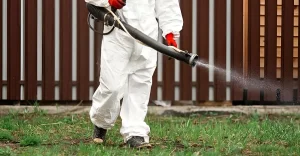
Barrier treatments and targeted yard applications are designed to reduce adult mosquitoes in resting and activity areas. These treatments are most useful when paired with source reduction rather than used as a standalone fix.
Personal protection
Repellents, clothing choices, fans, and timing all help reduce bites while the broader yard strategy works in the background.
That layered approach is why professional mosquito treatment can be more effective than a quick DIY spray. The goal is not just to knock down what is flying today. It is to reduce the conditions that allow mosquitoes to keep coming back.
Why June Through Late Summer Is the Hardest Stretch
Dallas mosquito pressure usually ramps up as summer settles in and families spend more time outside using patios, pools, grills, and yards. Rain can make the problem worse quickly because water collects in places homeowners may not notice right away, including planters, low lawn areas, clogged gutters, and folded tarps. A few days later, the yard suddenly feels much more active.
Shade also plays a role. Mosquitoes tend to rest in cool, protected areas during the heat of the day, so yards with dense landscaping, poor airflow, or damp corners often stay more attractive to adult mosquitoes.
The City of Dallas monitors mosquito concerns as part of its broader mosquito control efforts, but homeowners still need to manage conditions around their own properties. The best time to act is before the yard feels overrun. Once mosquitoes become established, control becomes more reactive and less comfortable for everyone trying to enjoy the space.
When Professional Mosquito Service Makes Sense
Professional mosquito service can make sense when the problem keeps returning, when the source is hard to identify, or when the yard has conditions that are difficult to manage with basic DIY steps.
For many Dallas homeowners, that includes shaded landscaping, drainage issues, pool areas, dense shrubs, recurring standing water, or patios that become unusable in the evening. If you have already tried the usual fixes and mosquitoes still take over the yard, a more targeted approach may help.
A good mosquito control plan should focus on the property itself, not just the product being used. That means identifying breeding areas, moisture patterns, and the places where mosquitoes tend to rest and gather.
For Clarity Pest Control, the goal is to help homeowners move from temporary mosquito relief to a more consistent seasonal strategy. That may include identifying water-holding areas, treating key mosquito zones, and recommending practical steps that support longer-lasting results.
If mosquitoes are making your yard difficult to enjoy, schedule an inspection with Clarity Pest Control to identify problem areas and build a plan that fits your property.
A Better Way to Enjoy Your Yard This Summer
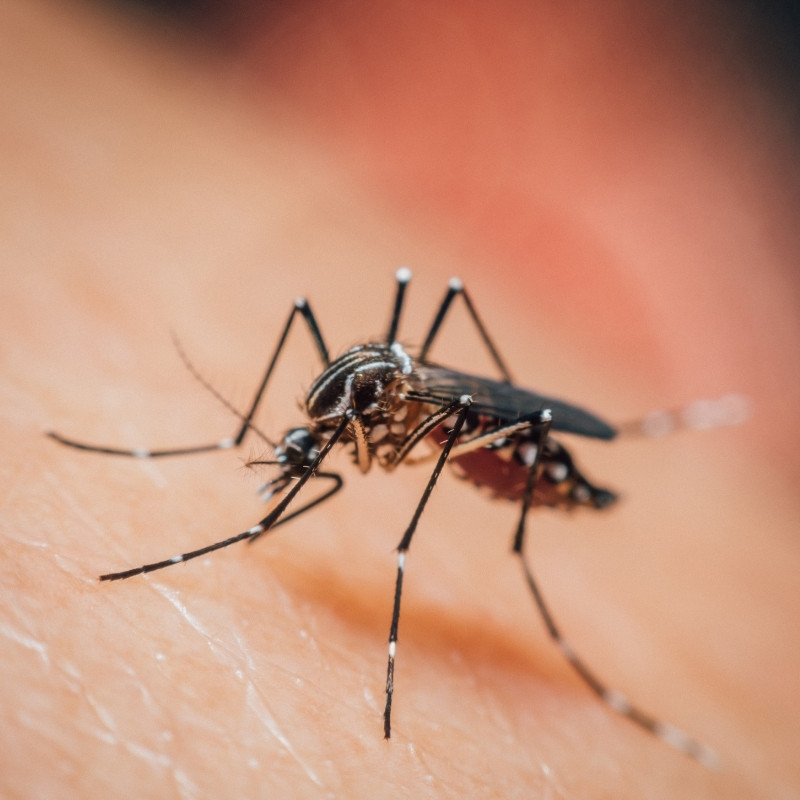
You do not have to treat mosquitoes as an unavoidable part of summer in Dallas. The most effective approach is practical and layered: remove standing water, reduce breeding sites, protect people during peak activity, and use targeted treatment when the problem is too persistent for DIY steps alone.
If mosquitoes keep returning after rain or your yard is no longer comfortable to use, contact Clarity Pest Control for a customized mosquito control plan designed to help you enjoy your backyard with confidence again.
FAQs About Mosquito Control in Dallas
The best mosquito control for a Dallas backyard is a layered plan. Start by removing standing water, cleaning gutters, checking plant saucers and pool covers, using EPA-registered repellents, and reducing mosquito resting areas. If mosquitoes keep returning, professional yard treatment can help manage adult mosquitoes and hard-to-find problem areas.
Dallas summers create ideal mosquito conditions: warm temperatures, rainfall, irrigation, shaded yards, and frequent outdoor activity. Mosquitoes become more noticeable when standing water collects after storms or sprinkler use, especially in hidden spots around patios, gardens, gutters, and pool areas.
After rain, walk the yard and empty anything holding water. Check buckets, toys, plant saucers, birdbaths, tarps, pool covers, gutters, low spots, and outdoor storage items. If water cannot be removed, it may need to be treated appropriately. The faster you handle standing water, the less chance mosquitoes have to continue breeding.
Mosquito spray can help reduce adult mosquito activity, but it works best as part of a larger plan. If standing water and breeding sites remain active, mosquitoes can return quickly. Yard spray may provide relief, but source reduction is what helps prevent the cycle from continuing.
Mosquito activity is often worse around dusk and dawn, although activity can vary depending on species, weather, shade, and moisture. If you are planning to sit outside in the evening, use repellent, consider fans around the patio, and avoid leaving doors open.
Treatment frequency depends on the property, weather, mosquito pressure, and the type of service being used. Yards with shade, drainage issues, dense landscaping, or recurring standing water may need more consistent seasonal attention than yards with fewer mosquito-friendly conditions.
Start by removing standing water near the patio, including plant saucers, outdoor decor, buckets, furniture covers, and clogged gutters nearby. Use fans during evening sitting times, apply repellent according to the label, trim dense vegetation where mosquitoes may rest, and consider professional mosquito control if the patio remains difficult to use.