
Why Are There So Many Wasps in Texas Right Now? (And When to Call a Pro)
Why Wasp Activity Spikes in Early Summer
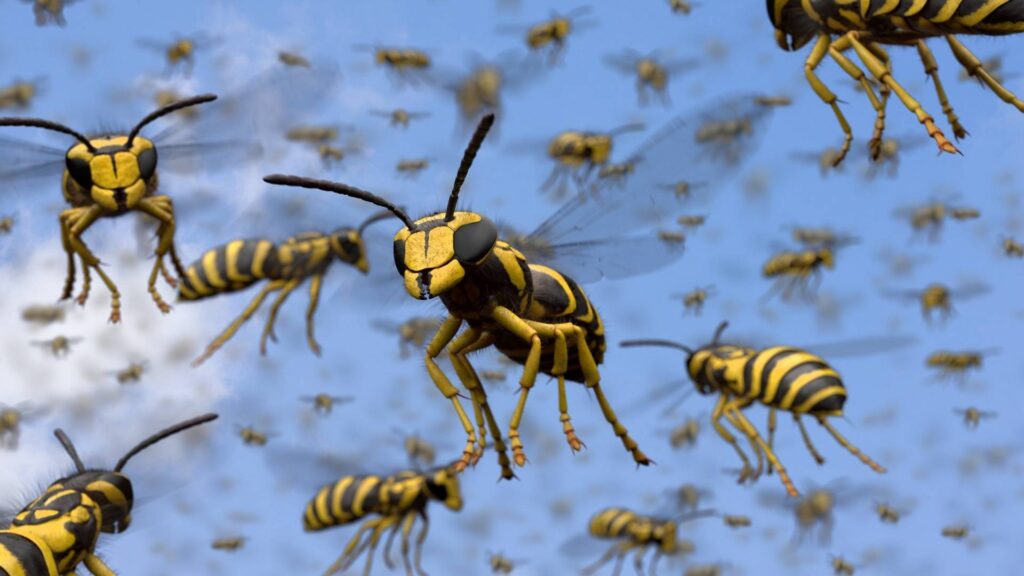
If it suddenly feels like wasps are everywhere in Texas, you are not imagining it. Early to mid summer is when wasp activity becomes much more noticeable around homes, patios, garages, rooflines, and backyard structures.
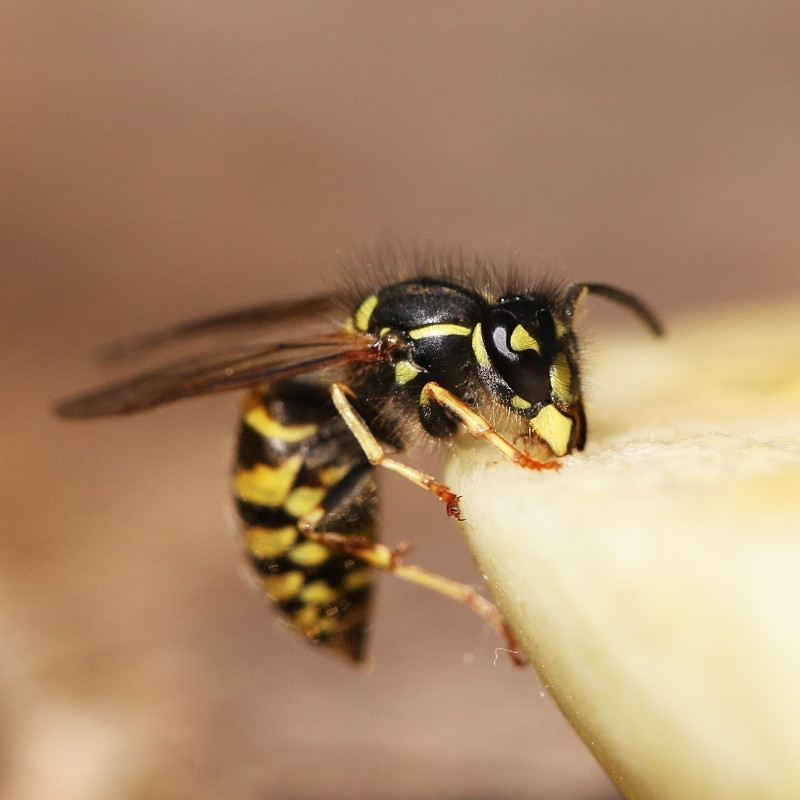
The biggest reason is seasonal nest growth. As temperatures rise, colonies expand, worker wasps become more active, and nests that started small in spring begin producing more visible activity around homes and outdoor spaces.
Texas weather also creates ideal conditions for nesting. Warm temperatures, shaded rooflines, irrigated landscaping, outdoor dining areas, and protected structural gaps all give wasps places to build and forage. By the time homeowners notice repeated activity near doors, soffits, patios, or shrubs, a nest may already be established nearby.
The important question is not only why there are so many wasps in Texas right now. It is whether the activity you are seeing is normal for the season or a sign that a nest is close enough to become a safety issue. This guide explains what causes seasonal wasp spikes, how to recognize signs of nesting activity around your property, what to avoid when dealing with a nest, and when it makes sense to call a professional for help.
What’s Causing the Spike in Wasp Activity?
Wasp activity increases when several seasonal factors happen at the same time. In Texas, that usually means heat, nest expansion, more food sources, and more time spent outdoors.
During spring, many wasp nests begin quietly. A small paper wasp nest under an eave or a concealed yellow jacket nest near the ground may not draw much attention at first. As the colony grows, more workers leave the nest to gather food, water, and nesting material. That is when homeowners start noticing steady flight paths, wasps around patio furniture, or activity near roof edges.
Texas A&M AgriLife Extension notes that wasps and hornets commonly build nests in protected areas around structures, trees, shrubs, and outdoor features. That matches what many homeowners see in summer: wasps appearing near soffits, fence gaps, porch ceilings, garages, sheds, pergolas, and other shaded areas that offer some protection from direct weather.
Food also plays a role. Wasps may be drawn to insects, sugary drinks, ripe fruit, pet food, trash cans, grill residue, and outdoor meals. A backyard that did not seem attractive in spring can become much more active once summer gatherings, landscaping, and irrigation are in full swing.
Another reason the problem feels worse is that the nest itself is often hidden. Many homeowners see the wasps before they ever see the nest. If wasps are repeatedly entering a gap, disappearing behind siding, flying under roof shingles, or moving in and out of shrubs, the visible activity may only be the surface sign of a larger colony.
Signs the Wasps Are Nesting Near Your Home
Not every wasp sighting means you have a serious problem. One or two wasps passing through the yard may simply be foraging. The concern increases when activity is repeated or tied to a specific part of the property.
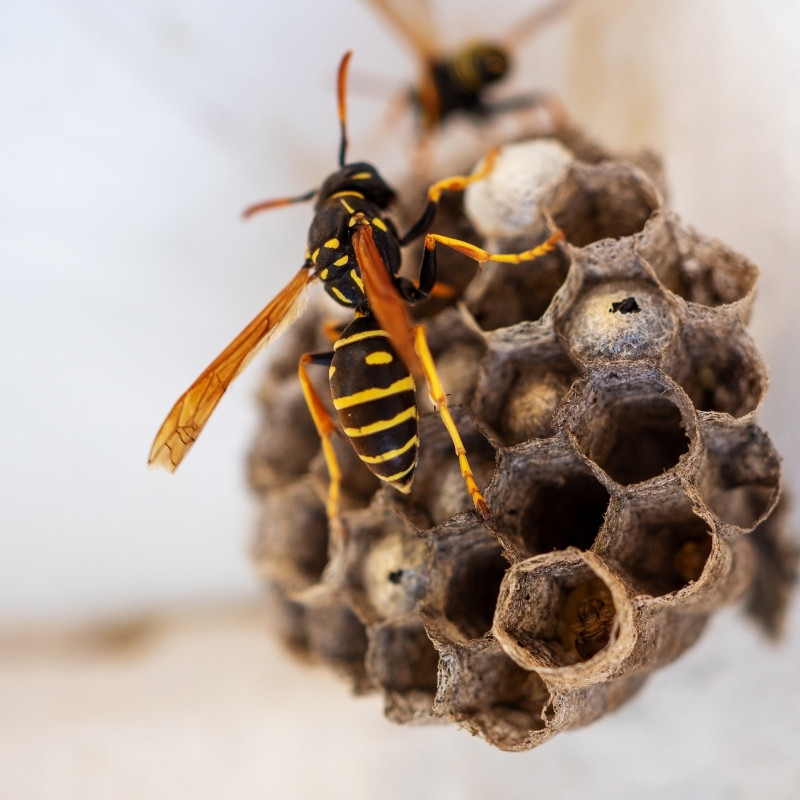
A nest may be nearby if you notice wasps flying in and out of the same opening around soffits, roof edges, attic vents, wall gaps, sheds, fences, or utility boxes. Even a small number of wasps following the same flight path often points to a hidden nest.
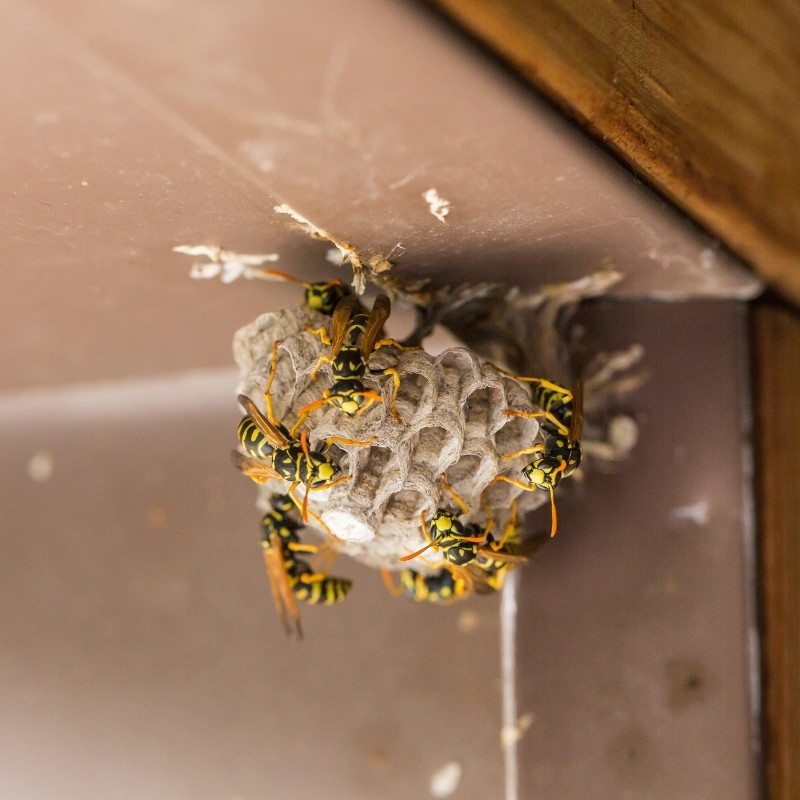
Porches and patios are also common nesting areas. Wasps may build paper-like nests under ceiling corners, light fixtures, deck railings, awnings, patio furniture, or storage areas. These nests are easy to miss until someone gets too close.
Yellow jackets can be harder to spot because they may nest underground or inside hidden voids. NC State Extension describes them as defensive social wasps that can sting repeatedly when disturbed. If you see wasps emerging from a hole in the lawn or landscape border, avoid investigating too closely.
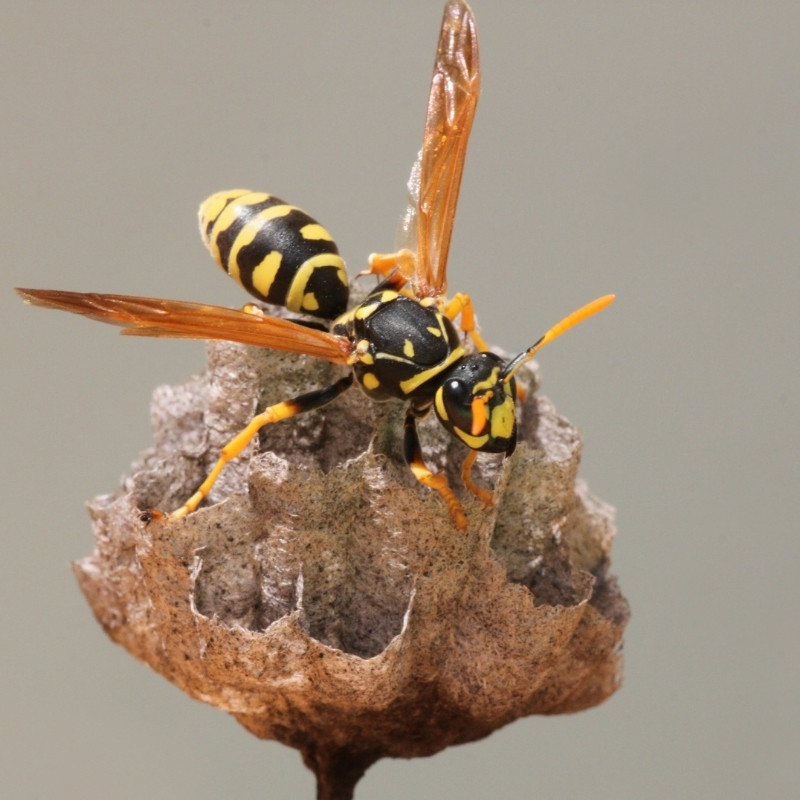
Paper wasps are usually more visible because their umbrella-shaped comb nests often hang under eaves or porch ceilings. Mud daubers are less aggressive but may leave recurring mud nests on walls, garages, and exterior surfaces.
The main warning signs to watch for include:
- Wasps repeatedly following the same flight path or entering structural gaps
- Activity near eaves, soffits, rooflines, vents, shrubs, fences, or outdoor structures
- Visible nests under porches, decks, sheds, or patio covers
- Ground-level wasp activity that may indicate yellow jackets
- Increased aggression or recurring activity near doors, patios, walkways, or play areas
A common misconception is that “only a few wasps” means there is no nest. In reality, even limited activity can point to a hidden nest nearby.
What Not to Do When You Find a Wasp Nest
Finding a nest can make people want to act quickly, but the wrong move can make the situation more dangerous.
Do not knock down an active nest. Even small nests can trigger a defensive response, causing wasps to sting or rebuild nearby if the source is not handled properly.
Do not seal an entrance hole without knowing what is inside. Blocking an active nest can force wasps into wall voids, attics, or interior spaces. If wasps are entering a soffit, siding gap, or utility opening, identification and treatment should come before sealing.
Avoid spraying blindly into wall gaps, rooflines, or shrubs. Over-the-counter sprays are not always suited to the species or nest location. The National Pesticide Information Center advises following pesticide labels carefully to ensure safe use.
Use extra caution around ground nests. Yellow jackets can become aggressive if their nest is stepped on, sprayed incorrectly, or disturbed by lawn equipment. Keep people and pets away from suspected ground nests and avoid mowing over them.
Nighttime treatment is not automatically safe. Poor visibility, ladder use, hidden entrances, and incorrect species identification can still create risk. The safest approach depends on the nest location and activity level.
If someone is stung and develops trouble breathing, swelling of the face or throat, dizziness, widespread hives, or other severe symptoms, seek emergency medical care. The CDC notes that severe allergic reactions to bee and wasp stings should be treated as medical emergencies.
Why Some Wasp Problems Are Harder Than They Look
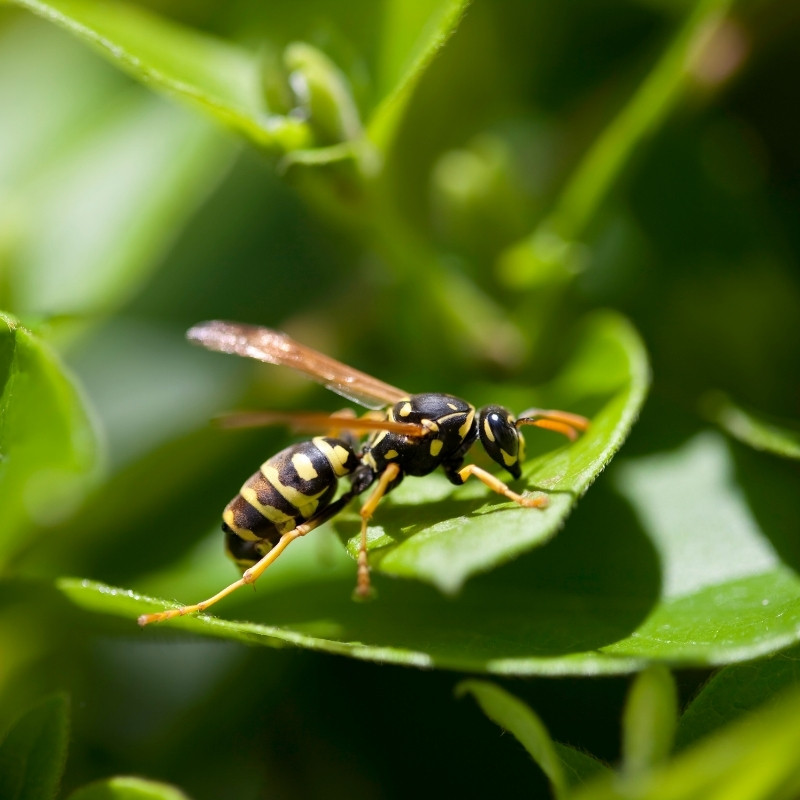
The wasps you see are not always the full problem. In many Texas homes, the nest is hidden behind rooflines, inside wall gaps, under decks, or in dense shrubs, which is why some DIY treatments only work temporarily.
Different species also behave differently. Paper wasps, yellow jackets, hornets, and mud daubers nest in different places and vary in how defensive they become. Treating every wasp problem the same way can increase sting risk and miss the actual nest.
Location matters too. A nest near a doorway, patio, or play area is usually more urgent than one far from daily activity. A proper inspection identifies the species, nest location, entry points, and conditions attracting the wasps so the problem can be handled more effectively and with less chance of recurrence.
When Professional Wasp Removal Makes Sense
Professional wasp removal makes the most sense when the nest is active, difficult to reach, hidden, close to people, or tied to a species that is more defensive.
You should strongly consider calling a local wasp exterminator if wasps are nesting near a doorway, porch, patio, garage entrance, playground, pool area, business entrance, or outdoor seating space. Even a modest nest can become a problem when people have to pass near it several times a day.
Professional help is also the safer choice when the nest is inside a wall void, soffit, attic-adjacent space, roofline gap, dense shrub, or underground location. These nests are harder to confirm and easier to disturb accidentally. Yellow jacket removal, hornet nest removal, and concealed wasp nest removal often require more caution than a visible, inactive mud dauber nest.
For wasp removal Dallas homeowners can rely on, the goal should be more than spraying what is visible. A proper service identifies the insect, locates the nest or entry point, evaluates the surrounding risk, treats the source, and gives practical guidance to reduce repeat activity where possible.
Professional stinging insect removal may be especially worthwhile if:
- Wasps are entering or exiting a structural gap or hidden area
- The nest is hard to reach, above shoulder height, or requires ladder access
- Activity is near children, pets, guests, tenants, customers, or high-traffic areas
- Someone nearby has a known sting allergy or the wasps are acting aggressively
- DIY treatments have failed, yellow jackets are suspected, or wasps keep returning to the same area
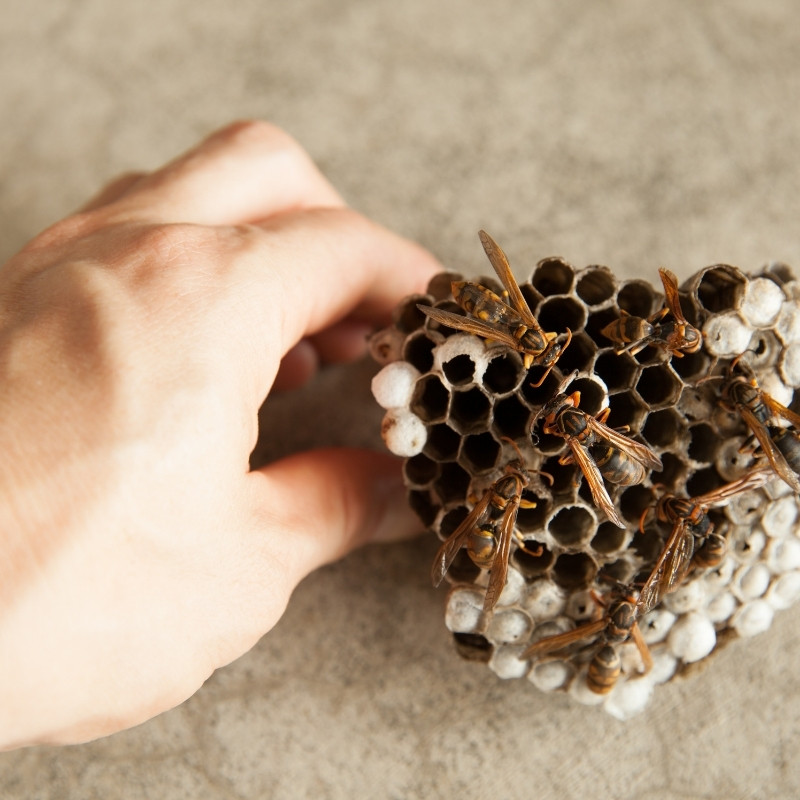
Same-day wasp removal may be appropriate when the nest is active near an entryway or outdoor living area. Less urgent activity can still be inspected and treated before the colony grows larger or becomes more defensive later in the season.
If wasps are becoming a recurring problem around your home or business, Clarity Pest Control offers free quotes along with comprehensive inspections and targeted treatment plans designed for the specific nest location and level of activity. A professional inspection can help identify hidden nests, entry points, and conditions that may be attracting wasps to the property before the issue escalates further.
Contact Clarity Pest Control today to schedule an inspection and take the next step toward safer, more comfortable outdoor spaces.
The Safest Next Step If Wasps Keep Coming Back
If wasps keep returning to your porch, patio, garage, or entryway, there is usually a nest or attractant nearby. Avoid disturbing the area or trying to block entry points yourself, especially if activity is increasing around doors, walkways, or outdoor living spaces.
A professional inspection can identify the species, locate the nest, and recommend the safest treatment option before the problem becomes larger or more aggressive.
Schedule a free inspection today to get expert help with wasp, hornet, yellow jacket, or mud dauber activity around your home or business.
FAQs About Wasp Activity in Texas
There are more visible wasps in Texas during early and mid summer because nests are growing, worker wasps are foraging more often, and warm weather supports higher activity. If you are seeing wasps repeatedly around the same area, there may be a nest nearby, even if it is hidden.
Wasp activity often becomes most noticeable from late spring through summer, with early to mid summer bringing a strong increase around homes and outdoor spaces. Activity can continue later in the season depending on weather, food sources, and whether nests remain active.
Look for repeated flight paths. Wasps entering the same soffit, roofline gap, shrub, wall opening, porch ceiling, fence area, or ground hole may be using a nearby nest. A visible paper nest is an obvious sign, but many nests are concealed until activity becomes heavy.
A small, inactive, easily accessible nest may seem manageable, but active nests are different. Species, location, height, colony size, and sting risk all matter. If the nest is near a door, patio, roofline, wall void, or ground opening, professional wasp nest removal is usually the safer option.
Yellow jackets can create higher-risk situations because they are defensive, can sting repeatedly, and may nest underground or inside hidden spaces. If you see wasps coming from a hole in the yard, landscape bed, or retaining wall, avoid disturbing the area and consider professional yellow jacket removal.
Wasps may keep returning because there is a nest nearby, food residue, sugary drinks, open trash, pet food, water, sheltered nesting spots, or structural gaps. Repeated porch or patio activity often means something in that area is attracting them or giving them a place to nest.
Call a professional when wasps are active near entryways, patios, garages, play areas, business entrances, rooflines, wall gaps, shrubs, or ground openings. You should also call if someone nearby has a sting allergy, the nest is hard to reach, the wasps seem defensive, or DIY efforts have not stopped the activity.
Mud daubers are usually less aggressive than social wasps, but their nests can still be unsightly and recurring. They often build mud tubes on walls, garages, ceilings, and exterior surfaces. If mud daubers keep returning or nests are appearing around visible areas of the home, removal and prevention may be worthwhile.