
What Are the Most Effective Roach Control Products in Texas?
Quick Answer: The Top Products for Dallas and Mesquite Homes
Seeing a roach in the kitchen at night is frustrating, and in Dallas or Mesquite, it often points to more than one stray pest. Texas heat, humidity, irrigation, sewer access points, and indoor moisture can help roaches survive and spread quickly.
For mild activity, the most effective roach control products are usually gel baits, bait stations, insect growth regulators, light dust applications, and sticky traps. Sprays can help in limited cases, but they often scatter roaches without reaching hidden nesting areas.
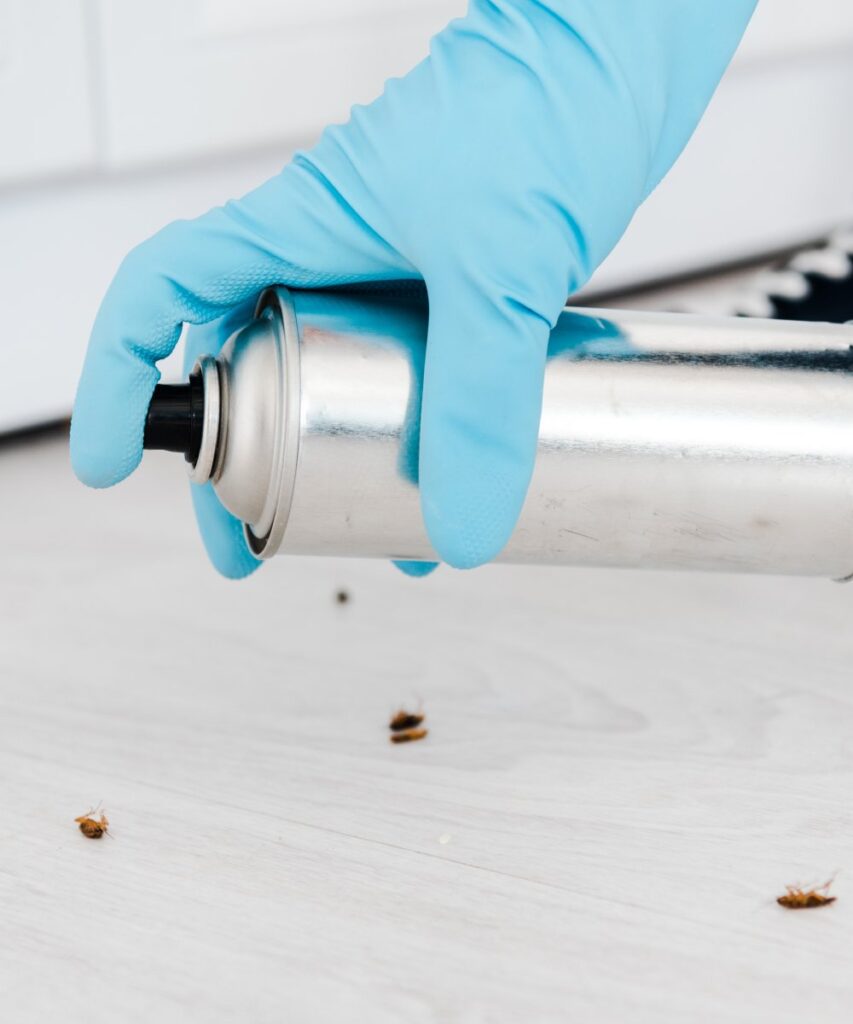
The strongest DIY starting points include:
- Roach gel bait for German cockroaches in kitchens, bathrooms, and laundry rooms
- Bait stations for contained placement near cabinets and appliances
- Boric acid or dust products for dry cracks and wall voids
- IGR roach control products to interrupt breeding
- Sticky traps to track where activity is coming from
The key is not just choosing a strong roach killer; it is placing the right product where roaches travel, removing competing food and water, and giving the treatment enough time to work.
In this guide, we’ll break down the roach control products that work best in Texas homes, how to use them properly, when DIY treatment makes sense, and when a professional roach control plan is the better next step.
7 Most Effective Roach Control Products That Work in Texas
The best product depends on the species, the location of activity, and the size of the infestation. German cockroaches usually need precise indoor baiting, while American cockroaches often require moisture control, exterior exclusion, and entry-point treatment.
| Product Type | Common Examples | Best For | Strengths | Limitations |
|---|---|---|---|---|
| Gel bait | Advion, Combat, Maxforce-style gels | German cockroaches, indoor activity | Targets hidden populations, supports secondary transfer | Can fail if contaminated by cleaners or food residue |
| Bait stations | Terro, Combat stations | Light to moderate indoor activity | Contained, simple, family-friendly placement | Less precise than gel bait |
| Boric acid dust | Boric acid powders | Dry cracks and wall voids | Long residual effect when dry | Must be applied lightly and safely |
| Insect growth regulator | Gentrol-style IGRs | Recurring infestations | Interrupts growth and breeding | Does not kill adults quickly |
| Sticky traps | Roach monitors | Locating activity | Shows hotspots and progress | Monitoring tool only |
| Non-repellent sprays | Specialty formulations | Cracks, entry points, support treatments | Can strengthen a broader plan | Misuse can scatter roaches |
| Sanitation and exclusion products | Caulk, drain covers, sealed storage | Long-term prevention | Removes food, water, and shelter | Requires upkeep |
Why They Work So Well
Gel baits are often the best starting point for German roaches because they work where roaches feed and hide. Small placements near hinges, appliance motors, plumbing penetrations, and cabinet corners usually outperform large visible blobs in open areas.
Bait stations can also work well when safety and convenience matter. Independent testing from Wirecutter has emphasized bait-based products over broad spraying for many home roach problems, which aligns with what pest professionals often see in the field.
Boric acid is useful but easy to misuse. A thick pile of powder usually makes roaches avoid the area. A light dusting in dry, inaccessible cracks or voids is more effective. The Home Depot roach control guide also stresses careful placement, especially around children, pets, food, and food-prep surfaces.
For recurring activity, an IGR is often the missing piece. It will not deliver instant knockdown, but it helps disrupt reproduction. Sticky traps then help confirm whether the treatment is working and where activity remains.
The EPA’s pesticide guidance reinforces an important point: product performance depends on proper application. Even strong roach extermination products can fail when they are over-applied, washed away, placed poorly, or used against the wrong pest pressure.
Why Roach Infestations Hit Texas Homes Hard, and Why Products Alone Fall Short
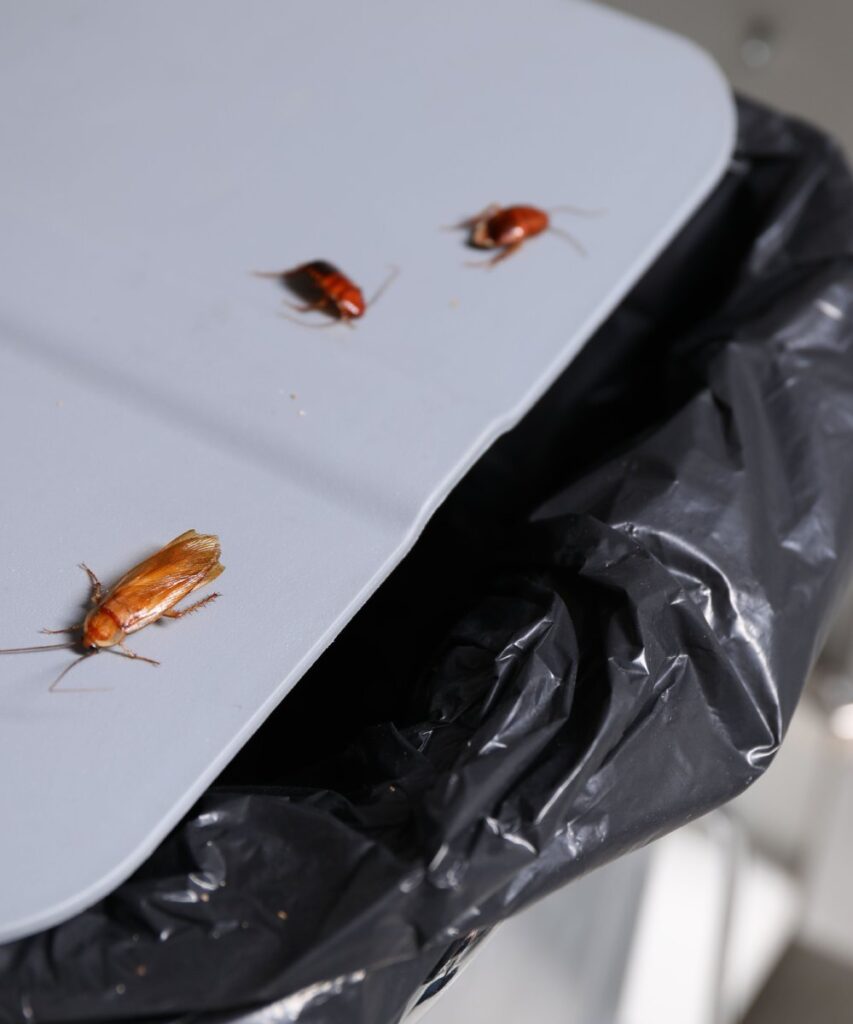
Roaches thrive in Texas because the environment gives them warmth, moisture, and shelter. Dallas and Mesquite homes often have shaded landscaping, irrigation systems, sewer access, aging utility penetrations, and small indoor leaks. Even a slow drip under a sink can turn a cabinet into a reliable roach harbourage.
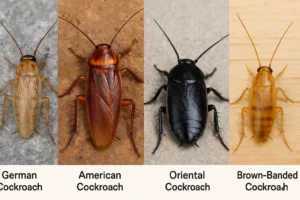
German cockroaches are the main concern indoors because they live close to food, water, and heat. American cockroaches are larger and often enter from sewers, garages, drains, crawlspaces, mulch beds, and damp exterior areas. Local pest identification resources such as this Dallas roach type overview help explain why North Texas roach control often needs both indoor and exterior attention.
The health concern is real as well. Cockroaches can contribute to indoor allergens and may carry bacteria through contaminated spaces. Healthline’s overview of cockroach health risks explains why activity around food, dishes, counters, and pantry items should be addressed promptly.
Still, products rarely solve the whole problem alone. Baits work best when roaches are not finding easier food elsewhere. Dusts must stay dry. Sprays can interfere with bait. Traps only monitor. Even effective roach killers can underperform when moisture, crumbs, grease, clutter, cardboard, pet food, and entry gaps remain.
How to Use Roach Control Products Effectively: 5 Proven Steps
Roach control works best in sequence. Instead of randomly spraying baseboards, start with inspection, then clean, apply targeted products, add reproductive control when needed, and monitor results.
1. Inspect the areas roaches actually use
Check under sinks, behind refrigerators, around dishwashers, near water heaters, inside cabinet hinges, behind toilets, under pet feeding areas, and around plumbing penetrations. Use a flashlight at night if possible.
Texas A&M AgriLife guidance on German cockroach control emphasizes inspection first because product placement depends on finding harbourage areas. Look for pepper-like droppings, shed skins, egg cases, grease-like smears, odours, and live activity near warm appliances.
2. Clean and remove competing food sources
Baits work because roaches eat them. If crumbs, grease, pet food, open garbage, or pantry spills are available, they may ignore the bait. Wipe cabinet interiors, clean under appliances where possible, seal dry goods, empty garbage regularly, and avoid leaving pet food out overnight.
Moisture matters just as much. Fix small leaks, dry sink cabinets, empty standing water, and check HVAC condensation lines. In Mesquite homes, irrigation overspray, AC condensation, and shaded exterior walls can keep roaches close.
3. Apply gel bait in small, targeted placements
For German cockroaches, roach gel bait is one of the most effective DIY products when placed correctly. Apply small dots inside cracks, along cabinet corners, behind appliances, under sink lips, near plumbing penetrations, and close to known activity.
Do not spray over bait, place bait on recently sprayed surfaces, or clean it away after one day. Gel bait often takes several days to show results, with stronger population reduction over one to two weeks. The Terro roach product guide explains why bait placement and product choice matter more than simply applying more material.
4. Add dusts or IGRs where appropriate
Boric acid and other dusts can support a treatment plan, but only as a light film in dry, inaccessible cracks or voids. Keep dust away from pets, children, dishes, food storage, and surfaces people touch.
An IGR is useful when roaches keep returning after baiting. It targets development rather than immediate adult kill, so it works best as part of a broader plan with bait, sanitation, and monitoring.
5. Monitor, seal, and reassess after 7 to 10 days
Place sticky traps where you inspected and check them after a week. Fewer roaches, smaller nymphs, or activity concentrated in one area can show progress. No change usually means there is still food, moisture, poor placement, product interference, or a larger infestation.
Seal gaps around plumbing, baseboards, cabinet backs, door sweeps, dryer vents, and utility penetrations. Roach control becomes much easier when pests have fewer protected pathways.
Looking for roach control service in Texas?
Key Insights for Lasting Roach Control in Dallas Homes
Roach control often fails because of small practical mistakes, not because every product is ineffective. The best roach treatments are matched to the species, placed carefully, and supported by prevention.
Common DIY Mistakes and Simple Fixes
Avoid using sprays and baits in the same area. Many sprays repel roaches or contaminate bait, pushing activity deeper into walls or cabinets. Also avoid overusing gel or dust. Light, strategic placement works better than heavy applications roaches may avoid.
Moisture is another common blind spot. A leaking sink trap, damp dishwasher line, or mulch against the foundation can keep roaches active even when products are being used correctly.
Texas Roach Species Breakdown
German cockroaches are small, fast, and strongly linked to indoor infestations. Gel bait, bait stations, IGRs, and sticky monitors usually work better than broad spraying.
American cockroaches are larger and often linked to drains, sewers, garages, crawlspaces, and damp exterior areas. For these roaches, indoor treatment may need to be paired with exclusion, drain attention, and exterior moisture control.
Safety for Families and Pets
Safe roach control starts with placement. Keep all products away from children, pets, dishes, counters, food, and frequently touched surfaces. Bait stations may be better where exposed gel could be disturbed. Dusts should only go into inaccessible cracks and voids.
Always read the label before use. It explains where the product can be applied, how much to use, and which safety precautions matter.
When DIY Starts to Fail
DIY roach control is reasonable for light, early activity. It becomes less reliable when you see roaches during the day, find droppings in multiple rooms, notice odours, catch large numbers on traps, or see activity return soon after treatment.
Daytime sightings are especially concerning because roaches usually hide. If they are out in the open, the hidden population may be larger than expected.
Maintenance Checklist for Ongoing Prevention
Once a month, check under sinks, inspect around appliances, clean hidden food residue, replace full sticky traps, look for moisture, and confirm door sweeps are intact. Outside, keep mulch pulled back, reduce clutter near walls, manage standing water, and keep garbage bins closed.
Seasonal prevention matters in Dallas and Mesquite because roach pressure often rises after rain, during heat, and around moisture-heavy areas.
Why Pros Outperform Products: Our Mesquite Roach Process
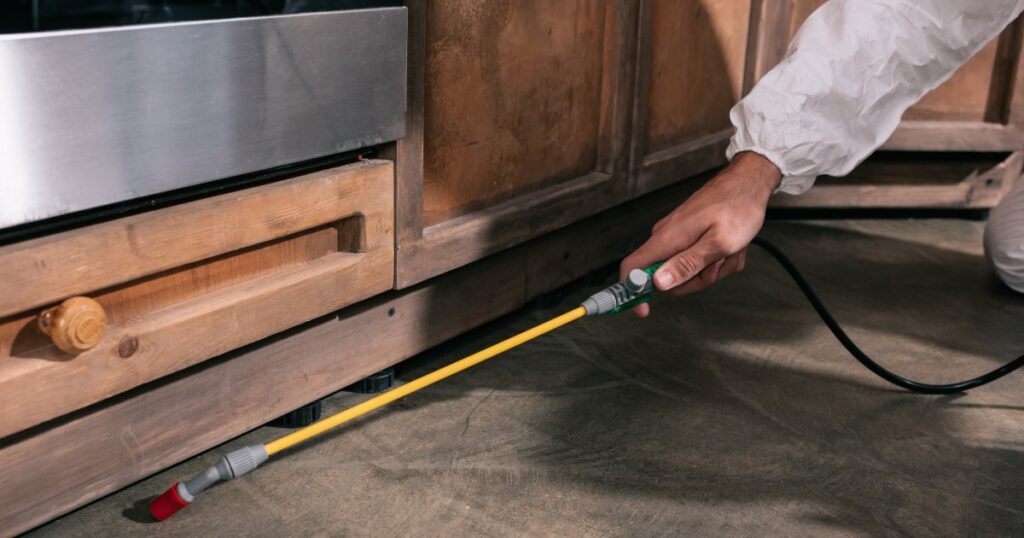
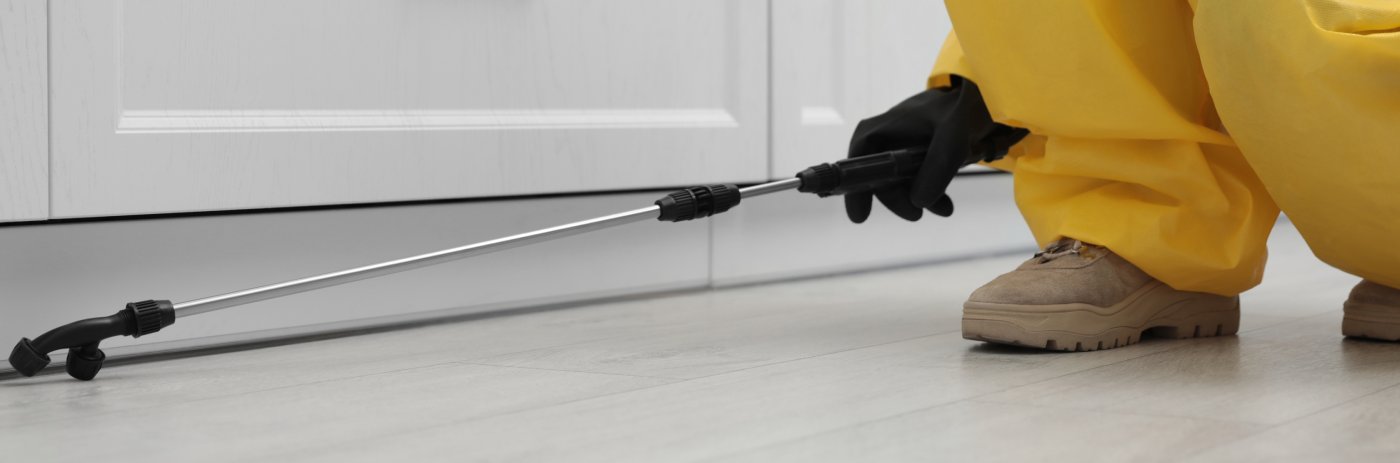
Over-the-counter products can help, but professional roach control in Mesquite adds inspection, species identification, product rotation, precise placement, and follow-up strategy. The difference is not only stronger materials. It is knowing what to use, where to place it, and how products interact.
A professional process starts by identifying the species and mapping activity. German cockroaches around a refrigerator require a different plan than American cockroaches entering through a garage or drain. From there, a technician can combine baits, IGRs, crack-and-crevice treatments, monitoring stations, and exclusion recommendations without contaminating one product with another.
For recurring activity, this matters. Roaches can become less responsive to repeated bait use, especially when sanitation issues compete with the bait. Professionals can rotate products, adjust placements, and monitor results between visits.
A professional roach service can explain what is happening, reduce the active population, prevent rebound activity, and make the home less attractive to roaches long term. If DIY products are not keeping the problem under control, schedule a professional roach inspection with Clarity Pest Control and get a clear plan for eliminating the infestation at the source.
Roach Control Realities in Mesquite and Dallas: Climate and Seasons
North Texas climate shapes roach control. Warm weather keeps pest pressure active for much of the year, while humidity and rain can push roaches toward homes, garages, sheds, and drains. During intense summer heat, roaches may seek cooler indoor water sources.
Mesquite homes can be vulnerable around shaded foundations, mulch beds, irrigation zones, older door seals, utility penetrations, garages, cardboard storage, pet food, and recycling areas. Dallas homes with older plumbing penetrations, shared walls, or sewer connections may also see recurring movement.
Seasonal prevention should focus on reducing moisture, sealing entry points, and monitoring before activity becomes obvious. Keep drainage working, avoid overwatering foundation beds, trim dense vegetation, and check weatherstripping before peak pest pressure.
Ready for a Roach-Free Home?
The most effective roach control products are usually the ones matched to the problem: gel baits for German roaches, bait stations for contained placement, boric acid dust for dry voids, IGRs for breeding control, and sticky traps for monitoring. Combined with sanitation, moisture control, and sealing, these tools can manage many mild infestations.
The realistic catch is that roaches are rarely solved by one product alone. If you still see activity after careful baiting, notice daytime roaches, catch large numbers on traps, or deal with recurring infestations in a Dallas or Mesquite home, professional help is the next step.
Schedule a professional roach inspection today and get clear answers on where the problem is coming from and how to stop it.
Frequently Asked Questions About Roach Control in Texas
Gel baits, bait stations, boric acid dusts, IGRs, and sticky traps are usually the most effective options. Gel bait is often best for German cockroaches, while American roaches usually require moisture control, exclusion, and entry-point treatment as well.
Gel baits often begin working within a few days, but stronger population reduction usually takes 7 to 14 days. Results depend on sanitation, moisture, placement, product interference, and infestation size.
Yes, but placement is critical. Bait stations are often safer where pets may access treatment areas. Gel bait should be placed in hidden cracks, and dusts should only be used lightly in inaccessible voids.
Roaches can become less responsive to some bait formulations, especially with repeated use or contaminated placements. Product rotation, better sanitation, careful placement, and professional monitoring can help.
Gel baits, bait stations, IGRs, and sticky traps used together are usually best. Treatment should focus on kitchens, bathrooms, appliance areas, cabinet hinges, and plumbing penetrations.
DIY can work for light, early activity. Professional roach control is better for recurring infestations, daytime sightings, heavy trap counts, multi-room activity, rental properties, or failed store-bought treatments.
Natural products may deter light activity, but they rarely eliminate established infestations. Cleaning, sealing food, fixing leaks, and reducing clutter are useful prevention steps, but proven baiting or professional treatment is usually needed for real control.