
The Hidden Realities of a Home Pest Assessment
Many homeowners view a residential property assessment as a passive event. They expect a technician to walk through the property, point out a few problem areas, and provide a quick summary. However, a truly thorough inspection requires active access to the deepest, most neglected corners of your living space.
Preparing your home incorrectly can lead to missed warning signs or an incomplete evaluation. When a professional technician arrives, their ability to spot early indicators of trouble depends heavily on how accessible your property actually is.
Understanding what happens during a General Pest Inspection helps you pave the way for an accurate diagnosis. By taking a few intentional steps before the technician arrives, you ensure that no hidden pest activity goes unnoticed.
Why Accessibility Dictates the Quality of Your Inspection
Pests do not congregate in the middle of your living room floor. They thrive in darkness, moisture, and undisturbed structural voids. If a technician cannot physically reach these zones, the assessment cannot be considered complete.
During a standard General Pest Inspection, the technician needs to examine perimeter walls, under-sink plumbing junctions, attic entryways, and crawlspace hatches. When these areas are blocked by storage boxes, heavy furniture, or household clutter, critical warning signs remain hidden.
Industry research shows that the vast majority of early-stage insect and rodent infestations begin in utility areas. Leaving these zones inaccessible forces the inspector to make assumptions rather than visual verifications.
The Critical Areas You Must Clear
- Under-Sink Cabinets: Remove cleaning supplies and plastic bags from beneath kitchen and bathroom sinks so the technician can inspect pipe penetrations for moisture and entry points.
- Attic and Crawlspace Hatches: Ensure closets containing ceiling hatches are completely cleared out, and external crawlspace doors are unlocked and free of overgrown landscaping.
- The Exterior Perimeter: Move firewood piles, trash cans, and stored building materials at least three feet away from your home’s foundation wall.
- Utility Closets: Clear a path to your water heater, electrical panel, and HVAC indoor unit, as these warmth-generating appliances are primary pest attractants.
The Hidden Challenge: Washing Away the Evidence
A common mistake homeowners make is deep-cleaning their house immediately before a professional arrives. While a tidy home is helpful, scrubbing away mysterious debris can actually destroy the diagnostic clues needed for an accurate assessment.
Insects and rodents leave behind subtle biological footprints. Microscopic spider webs, insect casings, droppings, and even faint tracking dirt tell a story about pest travel routes and population density. If you vacuum or power-wash these elements away hours before your scheduled visit, you wipe clean the evidence trail.
Instead of cleaning up suspicious areas, leave them as they are. At Clarity Pest Control, we recommend noting the locations of these findings so you can point them out directly to your inspector during the walkthrough.
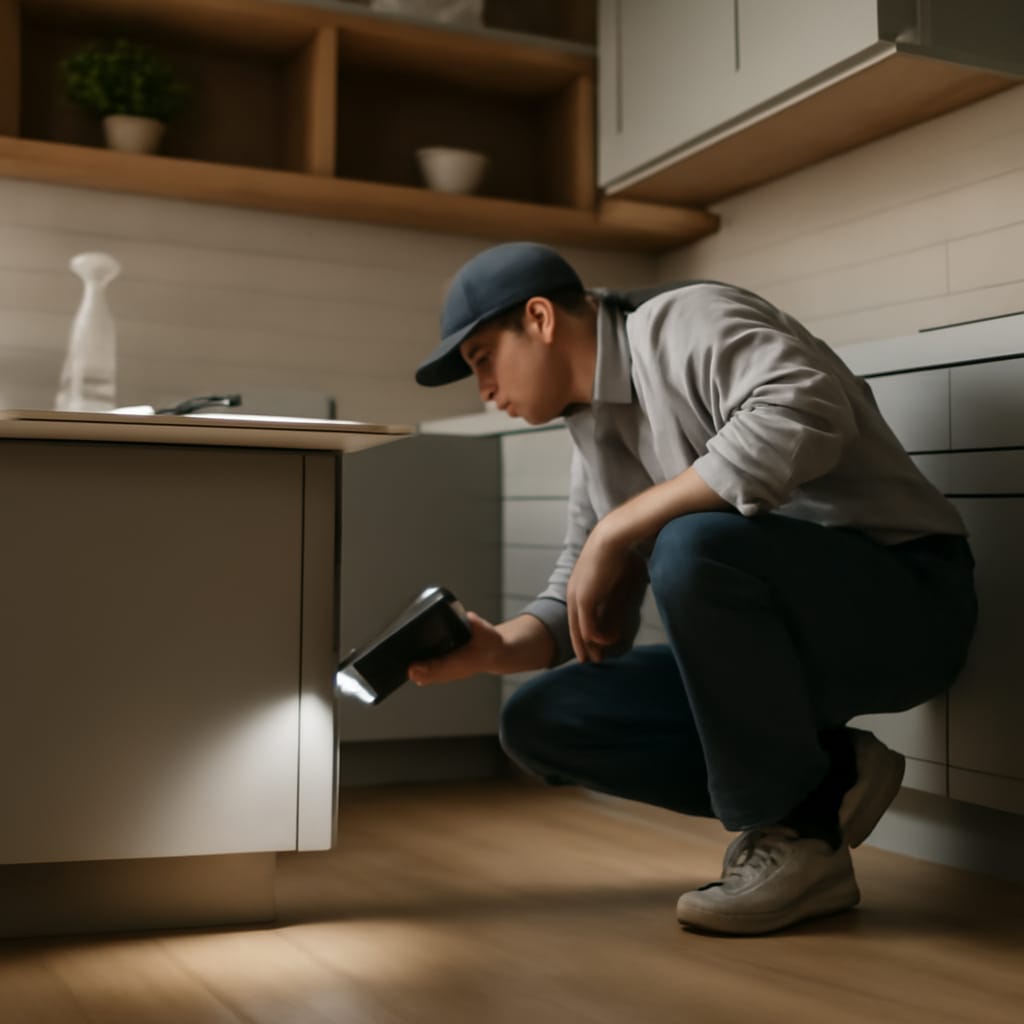
What a Professional Looks For During a General Pest Inspection
A comprehensive assessment is highly systematic. Technicians do not simply look for live bugs; they look for the structural conditions that invite them inside in the first place.
First, the inspector evaluates your home’s exterior envelope. They search for gaps around utility lines, damaged weep holes, and decaying fascia boards that serve as open invitations for opportunistic pests.
Second, they assess moisture levels. Many common household invaders do not enter search of food, but rather in search of water. Damp subfloors, leaking pipes, and poor gutter drainage are major red flags discovered during a professional General Pest Inspection.
Key Diagnostic Markers
- Frass and Boring Dust: Tiny piles of fine wood powder that indicate the presence of wood-destroying organisms inside structural framing.
- Pill-Shaped Droppings: Small fecal deposits left along baseboards or inside cabinets that help identify specific rodent species and their primary nesting sites.
- Rub Marks: Dark, greasy smudges left along walls and baseboards by traveling rodents utilizing their muscle memory pathways.
- Shelter Tubes: Mud structures built along concrete foundations that allow subterranean pests to travel safely between the soil and your home’s wooden framing.
How to Document Your Own Observations
Your daily observations are incredibly valuable to a visiting technician. Because you live in the home, you hear the midnight scratching sounds or notice the occasional nocturnal insect that a daytime visitor might miss.
Before your appointment, jot down a quick timeline of any unusual sightings. Note the specific time of day, the exact room, and the weather conditions when the activity occurred.
If you find a dead insect, do not throw it away. Preserve it in a sealed plastic bag or take a clear, well-lit photograph. Accurate identification of the species is the single most important step in developing an effective management plan.
Next Steps for a Protected Home
A proactive approach always outperforms reactive damage control. By preparing your living space and understanding the inspection process, you actively protect your largest investment from quiet, structural deterioration.
The team at Clarity Pest Control is dedicated to helping you maintain a safe, comfortable, and pest-free living environment through careful, detailed property evaluations.
Contact Clarity Pest Control today to schedule a comprehensive General Pest Inspection and gain complete clarity on the health of your home.