

The Silent Invaders: Understanding Rodent Removal Trapping

Discovering rodents in your home can be unsettling. Beyond the immediate shock, many homeowners underestimate the complexity of effective rodent removal trapping. It’s not just about setting a few traps; it’s about understanding rodent behavior, identifying entry points, and implementing a comprehensive strategy that goes beyond surface-level solutions.
This guide aims to shed light on the less obvious challenges and considerations involved in dealing with a rodent infestation, providing you with valuable insights for successful management.
The Hidden Challenge: Rodents’ Masterful Evasion Tactics
One of the biggest pain points in DIY rodent control is underestimating the intelligence and adaptability of these pests. Rodents, particularly rats and mice, are incredibly adept at avoiding detection and evading traps, making effective rodent removal trapping a genuine challenge.
Their keen senses and learned behaviors mean they can often identify new objects in their environment, including traps, as potential threats. This “neophobia” makes them wary, requiring a more nuanced approach than simply placing bait.
Situational Advice: Pre-Trapping Preparation You Can’t Skip
Before any trapping can begin, preparation is crucial. Many homeowners rush straight to setting traps, only to find limited success. Experts recommend thorough sanitation and clutter reduction as a critical first step. This deprives rodents of easy food sources and hiding spots, making them more likely to interact with traps.
Additionally, identifying and sealing potential entry points is paramount. Without addressing how they got in, even successful trapping will only be a temporary fix, as new rodents will simply take their place.
- Sanitation First: Clean up food spills immediately, store food in airtight containers, and regularly empty trash cans.
- Declutter: Reduce clutter in attics, basements, garages, and kitchen cabinets, where rodents often build nests.
- Observe and Identify: Look for droppings, gnaw marks, and greasy rub marks along walls to identify high-traffic areas and potential entry points.
- Seal Entry Points: Use steel wool, caulk, or mesh to seal gaps and cracks in foundations, around pipes, and in attics.
The Overlooked Aspect: Trap Placement and Variety
Effective rodent removal trapping isn’t a one-size-fits-all endeavor. The type of trap and its placement are crucial and often overlooked details. Different rodents respond to different traps, and their habits dictate where traps will be most effective.
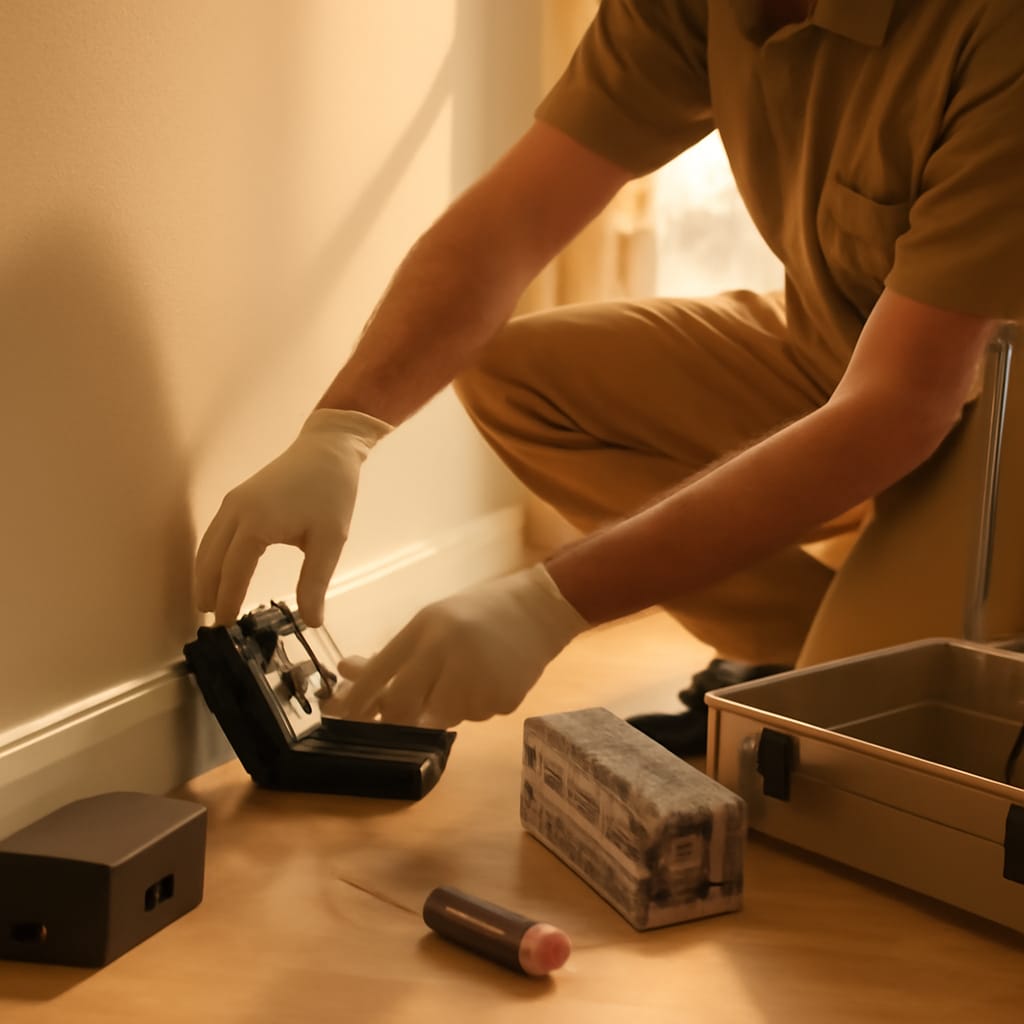
For instance, mice tend to stick close to walls, while rats might explore more open spaces. Relying solely on one type of trap or placing them haphazardly will significantly reduce your chances of success.
The “What If” Scenario: When Traps Go Unchecked
A hidden challenge many homeowners don’t consider is the consequence of unchecked traps. A forgotten trap with a deceased rodent can lead to unpleasant odors, sanitation issues, and attract other pests. Regular monitoring, ideally daily, is essential for humane and effective rodent management.
Proper disposal is also vital to prevent the spread of diseases. This responsibility extends beyond simply setting the trap and requires ongoing vigilance.
Practical Insight: Beyond the Initial Catch
Catching one or two rodents often leads to a false sense of security. The reality is that rodents breed rapidly, and a single sighting often indicates a larger, unseen population. True success in rodent removal trapping involves sustained effort and a strategic approach that targets the entire infestation, not just individual pests.
This often includes a combination of trapping methods and ongoing monitoring to ensure all activity has ceased.
The Ecosystem Effect: Addressing Secondary Pest Attraction
Another often-ignored aspect is the “ecosystem effect.” Rodent infestations can attract secondary pests, such as fleas, ticks, and mites, which live on the rodents themselves. Even after successful rodent removal, you might find yourself dealing with an entirely new pest problem.
A comprehensive strategy considers these potential ripple effects and plans for post-rodent pest control to prevent further issues.
For complex infestations or when you need expert assistance with rodent removal trapping, Clarity Pest Control understands these intricate challenges. Our approach goes beyond simple trapping, focusing on thorough inspections, strategic placement, and long-term prevention.
Contact Clarity Pest Control today to schedule a comprehensive rodent inspection and secure your home against these persistent invaders.