
The Unseen Battles of Residential Pest Control
When you spot an unwelcome guest in your home, your first thought is usually about getting rid of it. What many homeowners don’t realize is that effective residential pest control goes far beyond a simple extermination. There are often hidden challenges and complexities that can turn a seemingly straightforward pest problem into a recurring nightmare.
Understanding these underlying issues is crucial for truly protecting your home and family. It’s not just about the pests you see, but the conditions that invite them in and allow them to thrive.
The Problem with DIY Pest Solutions
Many homeowners initially turn to DIY methods for pest control. While tempting, these solutions often only address the visible tip of the iceberg, failing to tackle the root cause of an infestation.
For instance, spraying a common household insecticide might kill adult pests, but it rarely eliminates eggs or addresses entry points. This creates a cycle where pests return, often in greater numbers, as their reproductive cycle remains unbroken.
Industry research shows that improper application of over-the-counter products can also lead to pests developing resistance, making professional treatment more challenging down the line.
Understanding Pest Behavior: A Hidden Challenge
Pests are masters of survival, adapting their behaviors to find food, water, and shelter in your home. This adaptability presents a significant challenge in residential pest control.
Consider the common cockroach. They are nocturnal, incredibly fast, and can squeeze into unbelievably small cracks. A professional exterminator understands these behaviors, knowing exactly where to look for nests and how to disrupt their life cycle effectively.
Pest Hideouts You Might Miss
- Behind wall voids and electrical outlets
- Underneath appliances like refrigerators and dishwashers
- Inside seldom-used cabinets or cluttered storage areas
- Beneath floorboards and in crawl spaces
- Behind picture frames or loose wallpaper
The Seasonal Cycle of Infestations
Pest activity often follows seasonal patterns, presenting another layer of complexity. What works to deter pests in the summer might be ineffective in the winter.
For example, ants might be a nuisance in spring, seeking food and water as temperatures rise. In contrast, rodents often seek warmth indoors as the weather cools, creating entirely different entry point challenges and behavioral patterns.
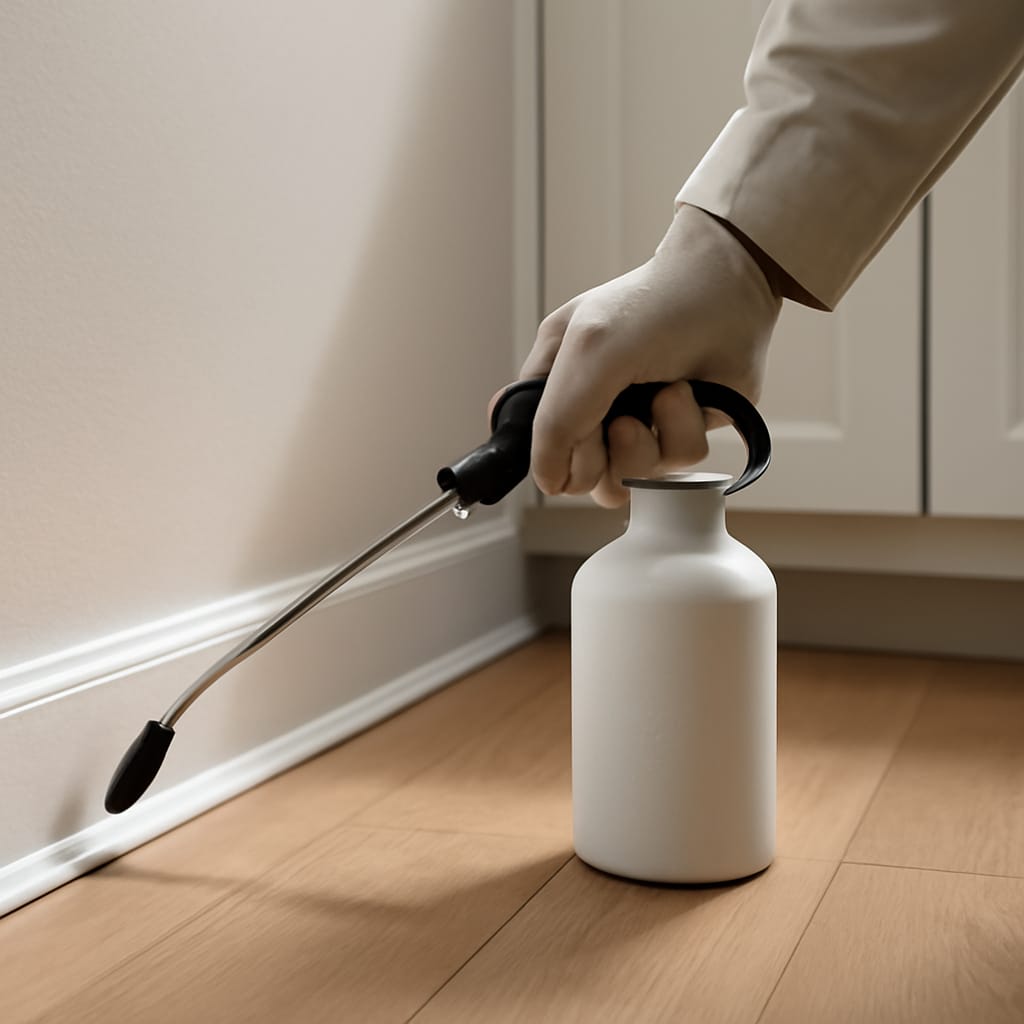
A comprehensive residential pest control strategy considers these seasonal shifts, anticipating pest pressures before they become full-blown infestations.
Structural Vulnerabilities: Your Home’s Weak Spots
Your home’s structure itself can unwittingly contribute to pest problems. Small cracks, unsealed gaps, or even landscaping choices can provide easy access for pests.
Consider the following common vulnerabilities:
- Cracks in the Foundation: Even hairline cracks can be an open invitation for ants, termites, and other crawling insects.
- Gaps Around Pipes and Wires: Where utility lines enter your home, there are often small spaces that serve as express lanes for rodents and insects.
- Damaged Window Screens and Weather Stripping: These small imperfections can allow flying insects to enter freely.
- Overhanging Tree Branches: Trees touching your roof or siding can act as natural bridges for rodents, ants, and other pests to gain access to your attic or upper levels.
Identifying and addressing these structural weaknesses is a key component of long-term pest prevention, often overlooked in quick-fix solutions.
The Importance of Ongoing Monitoring
Even after a successful pest treatment, the battle isn’t necessarily over. Pests are persistent, and new invaders can emerge.
Effective residential pest control requires a proactive approach, including regular monitoring and preventative measures. This means understanding the signs of early pest activity and knowing when to re-engage professional help before a minor issue escalates.
Experts recommend routine inspections, especially in areas prone to specific pest types, to catch new problems early.
Why Clarity Pest Control Prioritizes Understanding
At Clarity Pest Control, we understand that true pest management isn’t just about applying chemicals; it’s about understanding the intricate challenges pests present. We take the time to identify the specific type of pest, understand its behavior, locate its breeding grounds, and pinpoint the entry points in your home.
This in-depth approach allows Clarity Pest Control to develop a targeted, effective strategy that addresses both the immediate problem and prevents future infestations, giving you lasting peace of mind.
Ready to tackle the hidden challenges of pest control in your home? Contact Clarity Pest Control today to schedule a comprehensive inspection and discuss a tailored solution.